
Community Leaders Resilience Fund
Sustaining leaders in service to people and planet, reducing the financial and logistical barriers to accessing legal, state-regulated psilocybin services.
Open to leaders nationwide, applications reviewed on a rolling basis
Who holds the people who hold everyone else?
Faith leaders, nonprofit directors, public servants, climate organizers, and social justice advocates carry sustained contact with grief, trauma, injustice, and the weight of others' needs. They serve as stabilizing figures for entire communities, often with few places where they themselves can be deeply held, for their own time of visioning, creativity, and healing. The result can be burnout, moral injury, creative ruts, and attrition.
The CLR Fund was created to give back to these leaders, making space for their own renewal, visioning, and creativity alongside the overwhelm and psycho-spiritual challenges that come with uplifting community health. Scholarships of up to $3,300 per individual are awarded toward state-regulated group facilitation, with vetted providers, mentors for preparation and integration, and lodging during the journey week.
2026 retreat dates
Our 2026 cohorts, by date. You're welcome to note a preferred cohort when you apply.
A held experience, not just a session
Grants support small cohorts of leaders who move through the full arc together, preparation, retreat, and integration, held by licensed facilitators and a Community Steward.
1:1 Intake & Preparation
One individual meeting with a licensed facilitator to assess readiness and prepare for what's ahead.
Group Preparation
Two group preparation calls with your cohort and facilitators before the retreat.
The Retreat
A multi-day retreat at Fernlove with licensed facilitators and a Community Steward.
Group Integration
One group integration call with your cohort in the weeks after the retreat.
Preparation covers orientation, safety, expectations, intentions, group agreements, logistics, and space for your questions.
Who can apply
- You're a community leader, faith, nonprofit, public service, the arts, climate, or justice
- 21 or older
- New to psilocybin or experienced, both are welcome
- Able to meet the health & safety criteria
- You don't need to live in Oregon (services take place there)
- Sliding scale, financial need is prioritized, not required
Not sure about the health criteria? See the full list in the FAQ →
Community leaders, 21 and older
The fund is open to leaders 21+ who meet the health criteria for participating. We award grants both to those new to psychedelics and those with prior experience, with the intention of reaching those who would not otherwise have access.
Sliding-scale grants support those who need more or less financial help. The fund also welcomes leaders without financial need who want the cohort experience and logistical support. You don't need to live in Oregon, but for now the service must take place there.
What defines a "community leader"?
Those who spend significant time guiding, supporting, and inspiring others toward a common good, people looked to for their wisdom and leadership, whose work shapes the health and growth of their communities.
This may include, but isn't limited to, non-profit leaders, religious and spiritual leaders, environmental leaders, and public servants. (We are not currently accepting business or for-profit leaders.)
Unsure if you qualify? Email access@sherieckert.org.
What the fund covers
Grants of up to $3,300 (sliding scale, based on need) are paid directly to licensed providers, the service center, and lodging.
✓ Included in your grant
- Licensed psilocybin facilitation, including preparation & integration
- Your guided journey at Fernlove, an Oregon state-regulated service center
- Group lodging arranged by SEF for 4–5 days, everyone has their own private room
- Community meals created by a local chef
- Connection to vetted service providers and ongoing peer community
– Not covered
- Airfare, train, bus, or other travel to and from Oregon and the service center
- Additional travel around Oregon
- Solo meals or food purchased individually
- Cost of the psilocybin itself, typically $150–$230 total, depending mainly on dose (pricing varies somewhat between licensed producers and service centers)
- Additional therapy or integration services after the program
- A $150 non-refundable room deposit, paid by the grantee once approved
Estimated out-of-pocket expenses are the $150 room deposit plus the psilocybin itself, which is typically $150–$230. Travel to and from Oregon is additional. Everything else is covered by your grant.

Fernlove
Set within 30 acres of Oregon forest, about an hour west of Portland, Fernlove offers a quiet, nature-based setting for self-exploration.

The main house 
The deck 
The group session space 
The living room 
On-site cabins where participants stay 
The grounds from above 
An illustrated map of Fernlove
A nature-based setting
From the service-center room to the cabins and forest trails, every space is designed to support self-discovery and healing in nature's quiet embrace.
Private lodging on site
Lodging is on site at Fernlove. Each participant has their own private bedroom in one of the property's forest cabins, just steps from the service center.
Licensed and thoughtful
Fernlove is a state-recognized psilocybin service center that works exclusively with licensed facilitators and psilocybin from licensed manufacturers, prioritizing comfortable, well-considered accommodations.
2026 retreat facilitators
Every CLRF retreat is guided by licensed Oregon psilocybin facilitators. Tap a name to read their bio.
HF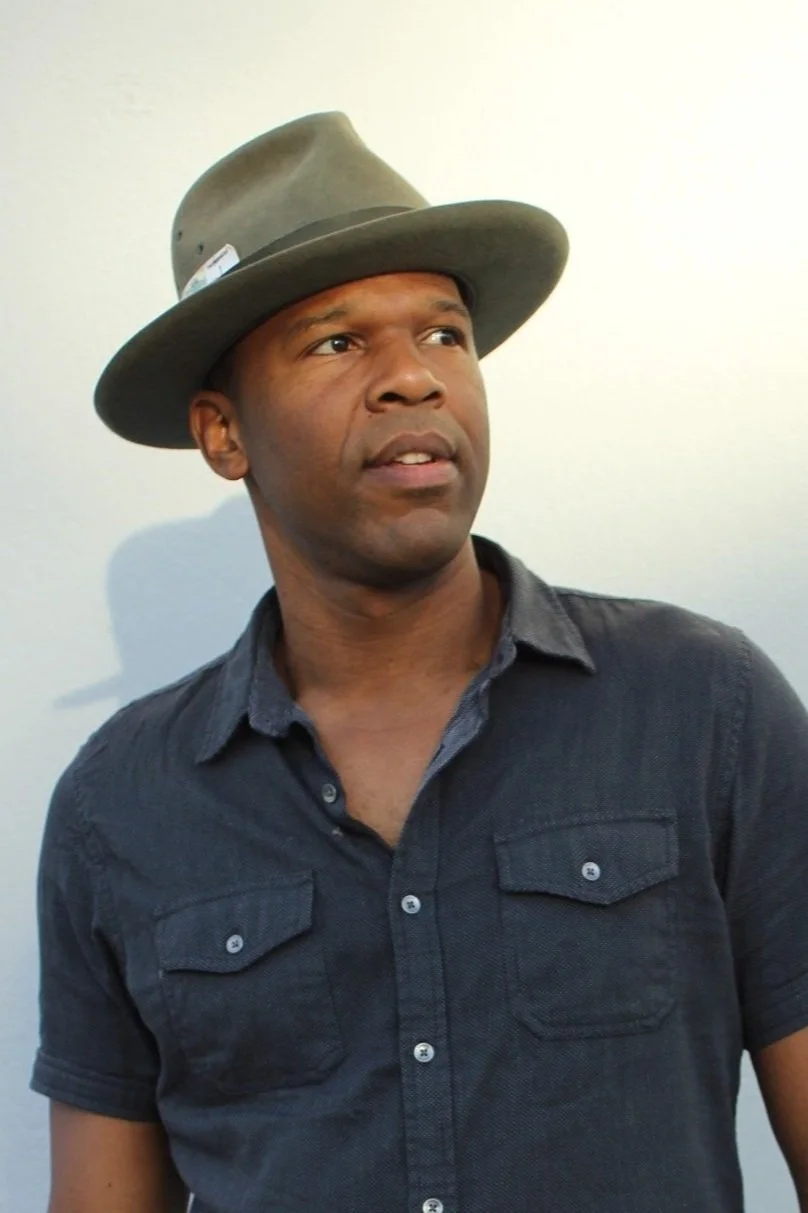 Henry FieldsFacilitator · BIPOC · Director of Inward Dive
Henry Fields is one of Oregon's first state-licensed psilocybin facilitators and the founder of Inward Dive Hypnosis and Intuitive Counseling. He is also the founder of The Inward Dive Fund, a nonprofit dedicated to expanding access to psychedelic support services for underserved communities, including individuals impacted by the criminal justice system. His facilitation style emphasizes deep listening, emotional honesty, nervous system awareness, and creating spaces where clients can reconnect with their own intuition, creativity, and inner authority.
Henry is especially passionate about preparation and integration, helping clients translate insight into meaningful changes in daily life and relationships. His approach differs from traditional self-improvement models focused primarily on striving or performance. Instead, he helps clients explore and gently release the tension, protective patterns, and internal constriction that can obscure the essential self.
His work is grounded in the belief that healing is not about becoming someone else, but uncovering who we are beneath years of conditioning, adaptation, and survival strategies. Inspired by Miles Davis' observation that "it takes a long time to play like yourself," Henry believes it can also take a long time to live as yourself.
Drawing from backgrounds in music, hypnosis, yoga, mindfulness, and addiction recovery, Henry brings a compassionate, non-judgmental presence to psychedelic work. Clients often describe him as deeply grounding, easy to talk to, and having a gift for helping people feel both safe and genuinely seen.
MM Mariah MoncadaFacilitator · BIPOC Leaders Retreat (Jul 27–31)
Mariah has been sitting with mushrooms and other plant medicines for over a decade. She holds reverence for the journey, deep trust in the client's inner healing intelligence, and a peaceful presence for others in the room. Her approach is client-centered. What is most important to her is that the client feels like they are being supported in a way that feels authentic to them.
Mariah graduated with an interdisciplinary studies degree from the University of Hawaii in Community-Based Healthcare. She was lucky to study relevant coursework such as Advanced Ethnobotany, Mycology, and Psychoactive Drug Plants. She is data/research informed and also draws from her experience in ceremonial settings that she participated in while in Peru and Hawaii.
Mariah is also a mother who will bring nurturing care to your journey. She gives consideration to many aspects of safety (physical, emotional, psychological, and spiritual) to support overall wellbeing. Mariah warmly embraces people from all walks of life, welcoming all into a space of acceptance. She is honored to co-create a space with clients so they may comfortably navigate the depths of their consciousness.
OA Oscar AlemanRetreat Assistant · BIPOC
Oscar Aleman is a first-generation Guatemalan American, Oregon-licensed psilocybin facilitator, certified personal trainer, and educator based in the Portland area. His work is guided by a deep interest in human growth, healing, and the connection between mental, emotional, and physical well-being.
Oscar completed his facilitator training through InnerTrek, one of Oregon's pioneering state-approved psilocybin training programs. Drawing from backgrounds in fitness coaching, education, and psychedelic facilitation, he brings a grounded, compassionate, and participant-centered approach to his work.
As the son of Guatemalan immigrants, Oscar values the importance of community, resilience, and increased accessibility. He is passionate about creating spaces where people feel safe to explore meaningful experiences, reconnect with themselves, and integrate insights into lasting positive change.
DK David KahlFacilitator · LGBTQ retreat
David Kahl is an executive coach, Oregon-licensed psilocybin facilitator, entrepreneur, and retreat leader. Before moving into this work, he spent more than two decades building businesses, including founding Fully, a company that grew from a startup into one of the largest digital furniture brands in the world before being acquired by Herman Miller in 2019.
Today, David works with leaders and individuals from a wide range of backgrounds through coaching, facilitation, and retreat experiences. His style is warm, grounded, and direct. He is less interested in offering answers than in creating the conditions where people can discover their own.
As a gay man, David knows firsthand that many LGBTQ+ people have spent parts of their lives learning how to adapt, fit in, stay safe, or manage the expectations of others. While those experiences can build resilience and strength, they can also leave us feeling disconnected from ourselves or from one another. Because of that, he cares deeply about creating spaces where people can show up more fully as they are.
For David, one of the most meaningful aspects of retreat work is the opportunity to heal and grow in community. While each participant brings their own story, there is something powerful about gathering with others who understand, at least in part, what it means to move through the world as LGBTQ+ people. His hope is that participants leave feeling more connected: to themselves, to one another, and to what matters most in their lives.
MM MEgan MoseleyFacilitator · LGBTQ Leadership (Aug 31–Sep 4)
MEgan believes healing isn't a destination, it's a homecoming you keep choosing. She is the founder of Bodywise and creator of the BE ME Framework, a somatic roadmap to your authentic self. Weaving 36 years of experience in physical therapy, somatic psychology (Hakomi, IFS, RCS), and TRE® (Trauma Release Exercise), she brings a steady, attuned presence to facilitation, and a body-mind approach to preparation and integration. Her work empowers clients to tap their body's innate wisdom, cultivate the felt sense of safety to open to the medicine, the internal resource to meet what arises, and the embodied grounding to carry it into real, lived change.
LS Lisa SnyderRetreat Assistant · LGBTQ retreat
Lisa Snyder is a state-licensed psilocybin facilitator in Oregon (and a natural-medicine facilitator in Colorado) and the founder of Liberadiate, offering trauma-informed psilocybin journeys and integration support.
A graduate of InnerTrek, the nation's first state-approved facilitator school, Lisa brings more than eighteen years of community building and healing advocacy to her work. Her path into this field began in her twenties after losing both parents to cancer, an experience that shaped her devotion to helping others find meaning in life's hardest moments.
She specializes in supporting people navigating grief, burnout, self-doubt, and life transitions, and works especially with LGBTQ+ adults, women, creatives, entrepreneurs, and neurodivergent individuals exploring authenticity and belonging. Her work is rooted in compassion, curiosity, and the courage to turn inward.
DEDanilo EscobarFacilitator · Christian retreat
Danilo Escobar is an Oregon state-licensed psilocybin facilitator, educator, healthcare administrator, and musician. For more than a decade he has worked across the healthcare system, spanning psychiatry, behavioral health, mental health, and holistic medicine.
He offers legally regulated psilocybin facilitation for individuals, couples, and groups, along with microdosing support, ceremony, retreats, and workshops. His practice is grounded in a trauma-informed, culturally rich, and person-centered approach, creating safe and supportive containers for healing, self-discovery, and growth.
WC Wendy CliffRetreat Assistant · Christian · Interfaith Chaplain
Wendy Cliff is an Interfaith Chaplain who's served in hospitals, retirement communities, a state prison, hospice, and trained & supported mentors in the foster care system. She holds a Certificate in Trauma and Spiritual Care that guides her work serving people who live with the impacts of various personal, collective, and environmental traumas. She's a graduate of Seminary of the Wild's two-year program where she immersed herself in environmentally based spirituality and practices. Her Master of Divinity and identity as an Episcopal priest are not enacted in traditional church settings, but are rather related to her love of how story, ritual, and tangible things can bring us closer to mystery and meaning. Serving on the board of an interfaith council in the Bay Area was one of the favorite roles she's ever had. A graduate of U.C. Berkeley's Center for the Science of Psychedelics facilitator training program, she's currently doing group and individual eco-spiritual direction sessions with people wanting to incorporate practices with the natural world in their spiritual journeys.
TS Tal SharabiFacilitator · Jewish retreat
Tal Sharabi is a Licensed Professional Counselor (Oregon and Colorado) and one of the first cohort of state-licensed psilocybin facilitators in the country, she went on to teach the first class of government-licensed facilitators in the United States.
Through her practice, Interbeing Psychotherapy, she weaves together somatic, mindfulness-based, and trauma-attuned approaches, holding space at the pace each person's nervous system needs. A graduate of CIIS's Psychedelic-Assisted Therapies program and trained in MDMA-assisted therapy through MAPS and in Sensorimotor Psychotherapy, Tal brings more than two decades of mindfulness practice and a deep reverence for community, the earth, and the interconnection of all beings.
She was a featured speaker at TEDxPortland 2025 and serves as a lead educator at InnerTrek.
SM Seth MehrFacilitator · Jewish retreat
Seth Mehr, M.D., is a state-licensed psilocybin facilitator and the founder of Cascade Psychedelic Medicine. Board-certified in Emergency Medicine, he spent two decades as an emergency physician, with deep experience in medical and psychiatric emergencies and the safe administration of medicine, before dedicating himself to psychedelic care.
He served as the Health & Safety Director for InnerTrek's psilocybin service center and is a study physician on a clinical trial of MDMA-assisted therapy for social anxiety. Seth came to this work after traditional treatments failed a member of his own family, and he brings particular attention to individualized medical safety, preparation, and care.
KP Keri PadonRetreat Assistant · Jewish retreat · CLRF Program Manager
Keri Padon pairs somatic wisdom with expertise in psychedelic care. Her toolkit includes breath-led movement, nonviolent communication, and restorative justice practices that support nervous system regulation and help maintain equanimity. Warm, organized, and culturally attuned, Keri is a wonderful and foundational member of the Community Leaders Resilience Fund team.
A trauma-informed yoga teacher (E-RYT 200) and graduate of InnerTrek's Psychedelic Facilitation Training program, Keri managed the InnerTrek Service Center throughout its tenure, supporting facilitators and safeguarding client journeys. She now serves as Program Manager for the Community Leaders Resilience Fund.
What changes
Themes that surfaced again and again across our 2025 cohorts.
Emotional Relief
Releasing chronic stress, grief, and shame, processing in days what therapy could not reach in years.
Renewed Purpose
Clarity about the work, reduced demoralization, and a reoriented relationship with service.
Allowing Suffering
A shift from anxious rescuing toward trusting others' resilience, interrupting the burnout cycle.
Spiritual Reconnection
Across traditions, leaders return deeply reconnected to what grounds their leadership.
Community & Belonging
The cohort itself becomes medicine, shared vulnerability creates lasting bonds across sectors.
Hope in Hard Times
Not naive optimism, but a grounded return to possibility, faith, and renewed agency.
In their own words
“I no longer feel emotionally numb. I feel alive again.”Nonprofit Leader
“I feel grateful for my job, perhaps for the first time.”Religious Leader
“Demoralization became action.”Local Government
“The retreat reminded me that my work is not separate from my healing.”Nonprofit Leader
“I feel less alone in carrying the weight of leadership.”Mediator, Conflict Work
“Against all evidence, I have great hope for the world, and my place in it.”Nonprofit Leader
A first year, in numbers
Sectors served: Faith & Spiritual · Nonprofit & Social Justice · Public Sector · Arts & Culture · Environmental & Climate
What psilocybin is, and why it helps
A short, evidence-based primer, tap any box to open the detail. Every claim links to peer-reviewed research or an official source.
Psilocybin is a naturally occurring psychedelic compound produced by more than 200 species of mushrooms, several used in Indigenous healing ceremonies for centuries.12 It is a prodrug: once ingested, the body converts it to psilocin, which closely resembles the neurotransmitter serotonin and acts mainly as an agonist at the brain's 5-HT2A receptors. That 5-HT2A activity is understood to drive both its perceptual and, likely, its therapeutic effects.1 In licensed settings it is taken once, or a small number of times, not as a daily medication.
Researchers do not yet have one complete explanation, but several mechanisms converge: psilocybin appears to promote neuroplasticity, relax the brain's rigid "default mode network," and increase cognitive flexibility. The boxes below summarize what the research shows, tap to read more.


What the trials showRandomized trials show large, lasting drops in depression and anxiety.
In randomized trials, psilocybin-assisted therapy produced large, durable reductions in depression and anxiety among people with life-threatening cancer,5,6 and significant antidepressant effects in major depressive disorder, most participants responding by week four.7 A 233-person phase 2b trial found a single 25 mg dose eased treatment-resistant depression at three weeks.8 The FDA has granted psilocybin therapy "Breakthrough Therapy" designation for depression.13
How it works in the brainIt sparks neuroplasticity and more flexible brain networks.
A single dose drove rapid, lasting growth of cortical dendritic spines, the physical basis of new neural connections.3 In people, imaging shows psilocybin temporarily relaxes the rigid, overactive "default mode network" tied to rumination, while letting normally separate networks communicate.2 In adults with major depression, it measurably increased cognitive flexibility for at least four weeks4, the basis of the "reset" hypothesis.
Why a group settingGroup preparation adds peer support, cohesion, and shared meaning.
Modern psilocybin care pairs dosing with preparation and integration, increasingly in groups. The first clinical trial of psilocybin-assisted group therapy, with demoralized long-term AIDS survivors, delivered group preparation and integration (with one-to-one dosing) and found meaningful, sustained relief, as participants cited peer support against isolation and shame.9 Group "therapeutic factors", cohesion and shared experience, may be amplified in this work,10 echoing how these medicines have long been used communally.12
In screened, supervised settings psilocybin has a favorable physical-safety profile and is not considered addictive; the principal risks are psychological, which is exactly why screening, preparation, and trained facilitation matter.11 It remains a federally illegal Schedule I substance, but is legal within state-regulated programs in Oregon (enacted 2020) and Colorado; New Mexico legalized access in 2025, with services expected to begin in late 2026. CLRF retreats take place entirely within Oregon's licensed system.
References13 peer-reviewed and official sources, tap to view.
- Nichols DE. (2016). Psychedelics. Pharmacological Reviews, 68(2):264–355. doi.org/10.1124/pr.115.011478
- Carhart-Harris RL, et al. (2012). Neural correlates of the psychedelic state determined by fMRI studies with psilocybin. PNAS, 109(6):2138–2143. doi.org/10.1073/pnas.1119598109
- Shao L-X, et al. (2021). Psilocybin induces rapid and persistent growth of dendritic spines in frontal cortex in vivo. Neuron, 109(16):2535–2544. doi.org/10.1016/j.neuron.2021.06.008
- Doss MK, et al. (2021). Psilocybin therapy increases cognitive and neural flexibility in patients with major depressive disorder. Translational Psychiatry, 11:574. doi.org/10.1038/s41398-021-01706-y
- Griffiths RR, et al. (2016). Psilocybin produces substantial and sustained decreases in depression and anxiety in patients with life-threatening cancer. J. Psychopharmacology, 30(12):1181–1197. doi.org/10.1177/0269881116675513
- Ross S, et al. (2016). Rapid and sustained symptom reduction following psilocybin treatment for anxiety and depression in life-threatening cancer. J. Psychopharmacology, 30(12):1165–1180. doi.org/10.1177/0269881116675512
- Davis AK, et al. (2021). Effects of psilocybin-assisted therapy on major depressive disorder: a randomized clinical trial. JAMA Psychiatry, 78(5):481–489. doi.org/10.1001/jamapsychiatry.2020.3285
- Goodwin GM, et al. (2022). Single-dose psilocybin for a treatment-resistant episode of major depression. New England Journal of Medicine, 387(18):1637–1648. doi.org/10.1056/NEJMoa2206443
- Anderson BT, et al. (2020). Psilocybin-assisted group therapy for demoralized older long-term AIDS survivor men: an open-label safety and feasibility pilot. EClinicalMedicine (Lancet), 27:100538. doi.org/10.1016/j.eclinm.2020.100538
- Ponomarenko P, et al. (2023). Can psychedelics enhance group psychotherapy? A discussion on the therapeutic factors. J. Psychopharmacology, 37(7):660–678. doi.org/10.1177/02698811231155117
- Johnson MW, Richards WA, Griffiths RR. (2008). Human hallucinogen research: guidelines for safety. J. Psychopharmacology, 22(6):603–620. doi.org/10.1177/0269881108093587
- Schultes RE. (1969). Hallucinogens of plant origin. Science, 163(3864):245–254. doi.org/10.1126/science.163.3864.245
- U.S. FDA "Breakthrough Therapy" designation for psilocybin therapy for treatment-resistant depression (COMPASS Pathways, 2018); a second designation for major depressive disorder followed (Usona Institute, 2019). compasspathways.com
This summary is educational and is not medical advice. Psilocybin is not right for everyone; eligibility and safety are determined together with licensed professionals.
If you take the time to explore yourself, to listen to your spirit, to walk among the many less frequented paths within your mind, I am sure you will be amazed at the mesmerizing beauty you will find.Sheri Eckert
Find your way in
Whether you are enrolled, facilitating, or just exploring, there is a door for you, tap through to the right place.
Participant guide
If you have been awarded a grant, your participant hub holds everything for your cohort, preparation, logistics, what to expect, and how to ready yourself for your retreat week.
Facilitator hub & field manual
Licensed facilitators and Community Stewards working with the fund have a dedicated online hub and field manual covering the cohort model, your role, and how to hold preparation and integration.
Grantee resources
New to all this? The grantee resources page explains Oregon's legal, state-regulated psilocybin services model, now live in Colorado and coming to New Mexico, plus how psilocybin, therapy, and the healthcare side actually work.
Frequently asked questions
While research reveals a strong safety profile, psilocybin is not for everyone, and some conditions may be disqualifying. Eligibility depends in part on the facilitator or service center. The following conditions or situations may be contraindications:
- Mental-health conditions such as schizophrenia, schizoaffective or schizophreniform disorder, major depressive disorder with psychotic features, psychotic disorder, bipolar disorder, mania, delusional disorder, any dissociative disorder, substance-induced psychosis, or severe paranoia
- Current drug or alcohol withdrawal, or active/severe drug or alcohol misuse
- Cardiovascular conditions such as poorly controlled high blood pressure, prolonged QTc interval, congestive heart failure, history of cardiac arrest or ventricular arrhythmia, presence of an AICD, coronary artery disease, angina, tachycardia, arrhythmia, Wolff-Parkinson-White syndrome, heart-valve disease or artificial valve, cardiac hypertrophy, cardiomyopathy, aortic disease, or aneurysms
- Gastrointestinal conditions such as moderate-to-severe liver impairment or gastric outlet obstruction
- Dialysis or severe kidney disease
- Neurologic conditions such as dementia, cognitive impairment, seizure disorders, epilepsy, history of stroke or TIA, or cerebral aneurysm
- Medications such as lithium, two or more medications affecting serotonin (e.g. SSRI, SNRI, SPARI, TCA, MAOI), or angle-closure glaucoma medication
- Pregnancy
- Tuberculosis, COVID, and other highly contagious diseases
- A first-degree relative (parent, sibling, child) with schizophrenia, bipolar disorder, or any psychotic or dissociative disorder
If you live with any of the above and can't resolve it before receiving services, we recommend not applying, as you likely won't be deemed eligible. By law, a person cannot receive psilocybin if they have active psychosis, take or have taken lithium within the past 30 days, or have ideation of harm to self or others.
We are not deciding or confirming that anyone should receive psilocybin services, only whether an applicant is a good fit for a grant, so they can pursue a licensed facilitator who, together with the client, will decide whether to work together.
In 2020, Oregon voters passed Ballot Measure 109 (the Oregon Psilocybin Services Act), allowing the manufacture, delivery, and administration of psilocybin within licensed service centers supervised by licensed facilitators. In 2022, Colorado became the second state to establish a regulated access program for psilocybin and related psychoactive plants.
While psilocybin is legal within the Oregon and Colorado state-regulated models, it remains a federally illegal Schedule I substance under the Controlled Substances Act.
Grants of up to $3,300 are awarded on a rolling basis (final amounts vary by need). Funds are distributed directly to the licensed facilitator and/or service center.
The grant covers: licensed facilitation including preparation and integration; your Oregon state-regulated journey at Fernlove; group lodging arranged by SEF for 4–5 days (your own private bedroom in an on-site cabin); and community meals created by a local chef.
The grant does not cover: airfare, train, bus, or other travel to and from Oregon and the service center; additional travel around the state; solo meals or individually purchased food; the cost of the psilocybin (typically $150–$230 total, depending mainly on dose); or additional therapy or integration services after the program.
Lodging is on site at Fernlove. Each participant has their own private bedroom in one of the property's forest cabins, just steps from the service center, so you can rest and integrate without leaving the land. Group lodging for the cohort is arranged by SEF and included in your grant.
The fund supports small groups of leaders undergoing facilitation together. Cohorts from similar backgrounds may self-select or be grouped by reviewers for fit. The model fosters peer support and ongoing community, raises the quality of care, and lowers costs. If you'd prefer individual care, you can indicate that in the application and it will be considered case by case.
Group work has become less common in the U.S., partly due to a Western, FDA-driven approach to medicine. But psychedelics, especially psilocybin, have a long, successful history in group settings, both clinically and in Indigenous cultures going back thousands of years.
Beyond saving time and money, studies show that feeling part of a community improves psychological wellbeing and connectedness. Many people who start out preferring individual work end up strongly preferring group after experiencing it. Learn more via the National Library of Medicine.
Grants are awarded on a rolling basis, and we communicate with all applicants by email. Selection is based primarily on the applicant's work as a community leader, financial need, expressed need for psychological/emotional/spiritual support or burnout relief, whether they belong to an underserved population (geography, race, ethnicity, cultural barriers, occupation, ability, age, gender, etc.), and a demonstrated readiness to receive psilocybin therapy.
The CLR Fund is an initiative of the Sheri Eckert Foundation (SEF), a 501(c)(3) nonprofit committed to making Oregon and Colorado's evolving psychedelic ecosystem accessible to people of diverse backgrounds, means, and geographies.
Our Board of Directors is David Bronner, Tom Eckert, and Nathan Howard. Our team includes Nathan Howard (Executive Director) and Lorena Dame (Director of the CLR Fund), and we work with Magical Teams to support the application process.
The State of Oregon's official Oregon Psilocybin Services page contains many resources, including sample forms like the Informed Consent and Client Bill of Rights.
You can also read the OPS Fact Sheet and the Scientific Literature Review.
Anything you share is strictly confidential and will not be shared with anyone, for any reason, without your written or electronic permission. Submission is voluntary, and declining will not subject you to any adverse treatment.
SEF uses your information only to review, manage, and execute the fund's program. It may be processed and stored on IT platforms and accessed by SEF employees and contractors for that purpose. All workstations and Typeform devices are fully encrypted, and Typeform's data-protection standards are HIPAA compliant. We do not share, sell, or lease your personal information to third parties unless required by law.
Help the leaders your community leans on
The CLR Fund is supported entirely by donations, we're able to offer as many grants as the gifts we receive allow. Your support helps another community leader find rest, perspective, and renewed purpose.
© 2026 Sheri Eckert Foundation, a 501(c)(3) nonprofit project. Questions? access@sherieckert.org
Psilocybin is legal only within the state-regulated programs of Oregon and Colorado and remains a federally illegal Schedule I substance. This page is informational and is not medical, legal, or financial advice. The CLR Fund determines fit for a grant; the decision to provide services rests with licensed facilitators and clients.