
Making legal psychedelic
healthcare possible
The people behind the work
Found a place of profound love in the Universe.
I no longer feel emotionally numb. I feel alive again.
Demoralization became action.
I came back with more compassion, more patience, and more clarity about how I want to serve.
The retreat reminded me that my work is not separate from my healing.
I feel less alone in carrying the weight of leadership.
The experience helped me reconnect with wonder and possibility.
I felt reconnected to the Earth, to spirit, and to the responsibility we have to care for each other.
I really wish psilocybin services could be more accessible for people above ground, more financially accessible, because it was really the most tremendous gift I think I've ever received. People need this, because the world is only getting harder to deal with.
This experience reminded me that hope is still possible, even in difficult times.
Being a leader takes courage and energy. I feel reassured about my mission, and the work I do for others.
What I learned is anyone that has contact with the justice system is holding trauma and stress.
Psychedelics can build community and relationships, because they make us become more human.
I feel a level of deep calm that I can return to, even after getting stressed or activated.
I understood that I do not need to try so hard, to the point of causing my own suffering, in an effort to reduce the suffering of others.
I was able to release a lot emotionally, which would have taken years to work through in once-a-week, fifty-minute counseling sessions.
I think this experience bought me several more years in this role. I feel grateful for my job, perhaps for the first time.
I feel more determination to stand up for what I believe.
We're excited to support the liftoff of SEF's Psilocybin Access Fund because we simply need to help more people have access to the healing potential of psilocybin. Not having the money for it should never be the barrier for greater health! Thanks SEF for showing bold leadership to make that happen!
The cohort model was profoundly meaningful.
The relationships formed during the retreat were among the most healing aspects.
Reconnection to my body, and beyond, to the earth, an increased sense of belonging in the world.
I'm experiencing being present to those I serve in a gentler, more open way.
I feel more able to connect with people across difference, I feel honored to serve, and I feel more creative and patient.
Legal is not the same as affordable; people still pay thousands out of pocket, and the states running these programs are being asked to sustain them without knowing what they cost or what they save.
Against all evidence, I have great hope for the world, and my place in it.
I am more vulnerable and open with my spouse, and I don't get as triggered by my kids.
Psychedelics themselves are not the path. They're doorways.
My purpose and life's mission has shifted, to embodying my resilience, and sharing that with others.
Over $1,000,000 in care, and we're just getting started
Starting in 2021, the Sheri Eckert Foundation began organizing and funding the nation's first real-world research projects in the legal, state-regulated psychedelic therapy model, while putting money directly into the hands of the people who need it most.
Founded by Tom Eckert & Nate Howard to carry Sheri's wish; granted 501(c)(3)-status project and launched the Fellowship Program in equal partnership with the Healing Advocacy Fund.
Co-created and hosted the first Horizons Northwest at the Portland Art Museum.
75 Fellows awarded a combined ~$300,000 in training scholarships, in equal partnership with the Healing Advocacy Fund, graduating from nearly every Oregon-licensed school, plus full-ride scholarships worth $52,125 to the second Horizons Northwest.
Launched the Psilocybin Access Fund and Research Incubator; first real-world studies and the Insurance Initiative with OPEN at OHSU.
Launched the Inward Dive Fund and Community Leaders Resilience Fund; the first six Community Leaders cohorts served 30 people; worked with UC Berkeley and UCSF to develop ORCHID, a healthcare utilization study of state-regulated psilocybin care (no longer pursued as envisioned; what we learned is being shared with the field).
Expanding to Colorado; a no-cost July retreat for previously incarcerated people, with a first-of-its-kind observational study alongside it; CLR Fund cohorts; LIGPATD 2 and the Community Leaders Resilience Fund research study in development; drafting the concept for The 2027 Oregon Psychedelic Services Improvement Act, bound for the 2027 legislative session.
A nonprofit built to widen the door
We carry the legacy of our namesake, Sheri Eckert, who created the nation's first state-regulated psychedelic healthcare model, now being adopted in states across the country, to make psychedelic healthcare eventually affordable and legal for all Americans: directly funding legal psilocybin therapy for people who couldn't otherwise access it, and incubating the nation's first real-world research, the evidence needed to build the system that makes that access possible.
We unite academic rigor, compassionate care, and policy innovation under one roof, and we do it three ways.
And we don't just fund access, we organize it: pairing grantees and clients into small, affinity-based groups, a careful, expert practice undertaken with reverence, because research shows that group journeys, rather than solo sessions, can deepen healing outcomes and success rates for conditions like anxiety and depression.
Fund access
Needs-based grants put medicine directly in people's hands. Four funds, on a sliding scale:
- Psilocybin Access Fund, our statewide sliding scale; 670+ applications, with grants averaging $1,500.
- Inward Dive Fund, for previously incarcerated and justice-impacted people.
- Community Leaders Resilience Fund, sustaining leaders in service to people and planet.
- Soul Liberation Fund, for individuals facing addiction and those who have experienced homelessness.
Incubate research
The nation's first real-world studies inside a legal model:
- LIGPATD 2, a randomized effectiveness trial of group psilocybin therapy for depression with NUNM, building on peer-reviewed results from the first study.
- The Community Leaders Resilience Fund research study, following community leaders through licensed retreats from baseline to 12 months.
- A study of group psilocybin therapy for depression among low-income participants.
- An alcohol-use study with the Healing Advocacy Fund, a primary research partner that supported recruitment, enrollment, and funding, alongside InnerTrek.
- New 2026 research with previously incarcerated participants at our July retreat, with academic partners (incl. Princeton).
- A partner and supporter of the OPEN research at OHSU (recently bolstered by a multimillion-dollar NIH grant).
- Further partners include People Science, Synaptic, Dr. Bronner's, and NUNM.
Shape policy
We help write and pass the laws that make this care real and lasting:
- Helping craft the strategy and write the laws that make psychedelic healthcare possible, and reach people faster, with speed that never sacrifices safety or efficacy.
- Writing and advancing The 2027 Oregon Psychedelic Services Improvement Act, bound for the 2027 legislative session, to cap the license fee in law and cut the unnecessary cost of running the program.
- Helping build and pass the Medical Advanced Healing Act (MAHA) in the Idaho legislature, with the first draft written again for the 2027 session.
- Advocacy in Colorado's Natural Medicine Program, and support for advocates in Washington & California.
- Founding board of the new Center for Psychedelic Policy with Sam Chapman, pursuing a $1M Medicaid pilot study.
- Founder & board member of the 501(c)(4) Portland Psychedelic Society Action Fund, which helped pass Portland's Psychedelic Health & Safety Act, approved by a unanimous 10-0 City Council vote on September 30, 2026.
We exist to accelerate the safe integration of psychedelics into healthcare and society, driving research, informing lawmakers, and funding care for those who can't afford it.
Getting medicine to the people who need it
We believe getting money directly to people who want this medicine, but normally couldn't access it, is the best way to create healing now. Each fund covers facilitation costs on a sliding scale for those facing financial hardship or from underserved communities.
Psilocybin Access Fund
A statewide sliding scale for psilocybin services, 670+ applications received, with grants averaging $1,500.
About the Psilocybin Access FundInward Dive Fund
Created with facilitator Henry Fields for people impacted by the justice system, the formerly incarcerated, their families, attorneys, advocates, and corrections staff. Included a no-cost July 2026 retreat.
About the Inward Dive FundCommunity Leaders Resilience Fund
For nonprofit, faith, environmental, and public-service leaders, sustaining those in service to people and planet. A held space for visioning, creativity, and healing alongside the realities of burnout, moral injury, creative ruts, and attrition. Covers group facilitation, lodging at Fernlove, meals, and a Community Steward. 2026 cohorts include Jewish, BIPOC, environmental, LGBTQ+, and Christian leaders. Seeded by the Riverstyx and LLS Foundations.
About the Community Leaders Resilience FundSoul Liberation Fund
Expanding access for communities who have long been excluded from safe, supported, and legal psychedelic care.
About the Soul Liberation FundThe team behind the foundation
A small team, board, and trusted partners carrying a big mission, organizers, advocates, practitioners, and funders who have helped build this field from the ground up.
The people who run the foundation day to day. Tap any card to read a full bio.
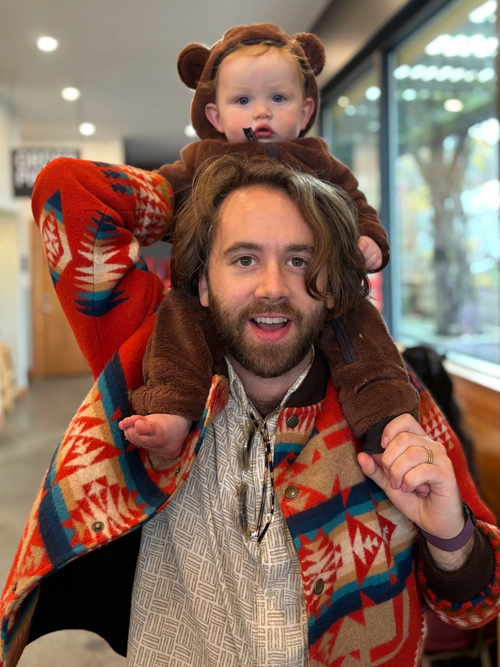
Nate Howard
A systems-change organizer and nonprofit leader who has spent his career turning policy ideas into durable institutions, across voting rights, education, environmental justice, and now psychedelic healthcare. A senior strategist behind Oregon's Measure 109 and SEF's director, he is a central architect of the world's first legal, government-regulated psilocybin healthcare model, and co-created InnerTrek, the first state-licensed school for psilocybin facilitators.
Through SEF he has helped catalyze training scholarships, hundreds of direct services, and several IRB-approved studies inside Oregon's program, and from 2024 to 2026 he originated and led fundraising for a healthcare utilization study of state-regulated psilocybin care with UC Berkeley and UCSF. Earlier he led a decade of democracy and public-policy work: as Executive Director of the Bus Project he led the coalition that won the nation's first Automatic Voter Registration law, later credited with enfranchising some 25 million voters, and helped shape the Oregon Promise tuition-free grant. Born and raised in Southeast Portland, he holds a B.A. from the University of Oregon.
He leads SEF's policy creation and advocacy and is lead author of The 2027 Oregon Psychedelic Services Improvement Act, now bound for the 2027 legislative session, so the first legal and regulated psilocybin program in the world can receive its second draft, one that modernizes and improves the program while reducing the cost to run it. Through the Portland Psychedelic Society Action Fund, he was lead author and campaign manager of Portland's Psychedelic Health and Safety Act, which City Council passed on September 30, 2026, by a very unexpected and hard-won unanimous 10-0 vote. In Idaho, he has written the first draft of the Medical Advanced Healing Act again, now for the 2027 session.
Learn more about Nate at natehoward.org.
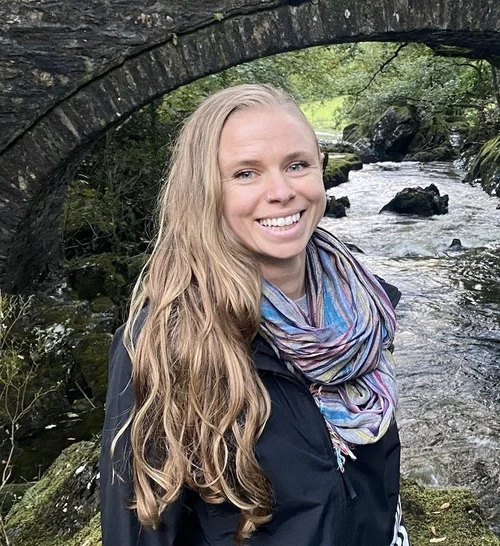
Lorena Dame
Dedicated to expanding access, fostering education, and supporting transformative healing. As SEF's Director of Operations and Development, and Vice President of the board of the Brooklyn Psychedelic Society, she has advanced projects including the Psilocybin Access Fund and the Psilocybin Therapy Insurance Initiative.
For five years she produced Horizons PBC's psychedelic-research conference, growing it into two week-long bi-coastal events and introducing classes for medical and mental-health professionals. As a death doula at Mount Sinai, she brings compassionate care to people moving through life's most profound transitions.
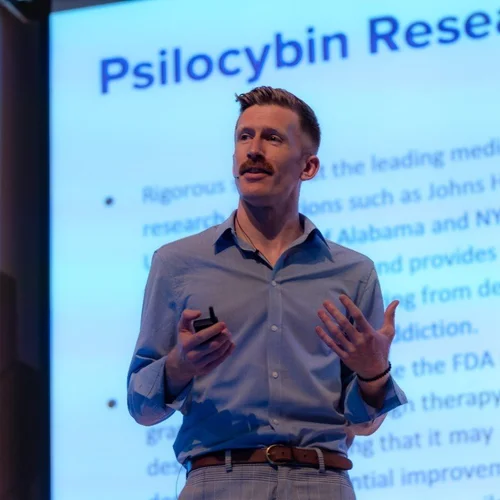
Sam Chapman
One of the country's leading experts on state-based psychedelic policy and access. He served as Campaign Manager for Oregon's Measure 109, the nation's first successful ballot measure to create a legal framework for psilocybin therapy, and guided early implementation as the founding Executive Director of the Healing Advocacy Fund.
In 2025 he founded the Center for Psychedelic Policy to tackle affordability, and launched the National Psychedelic Landscape Assessment, the first comprehensive analysis of state psychedelic legislation and policy trends. His work rests on a simple conviction: real-world healing requires real-world access, and affordability must be the foundation of any scalable model.
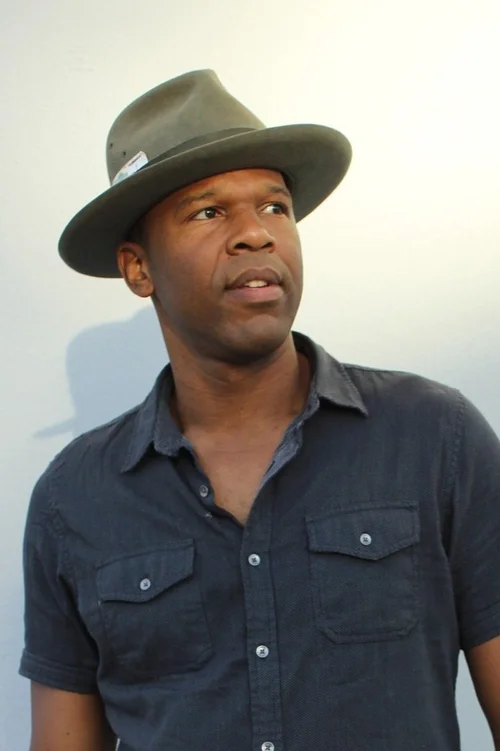
Henry Fields
What I learned is anyone that has contact with the justice system is holding trauma and stress.
A trauma-informed healing practitioner, justice-reform advocate, and licensed psilocybin facilitator devoted to transforming lives on the margins. As founding Program Lead of the Inward Dive Fund, he connects justice-impacted people, from formerly incarcerated adults to attorneys and family members, with compassionate, legal psychedelic therapy and integration support.
A certified hypnotist, meditation coach, shamanic practitioner, and Registered Yoga Teacher, he founded Inward Dive Hypnosis in 2019. His work is rooted in lived experience: nearly two decades ago he overcame substance use disorder and narrowly avoided incarceration. In 2025 he established the Inward Dive Temple and partnered with SEF to launch one of the nation's first programs offering subsidized psychedelic healing to justice-impacted communities.
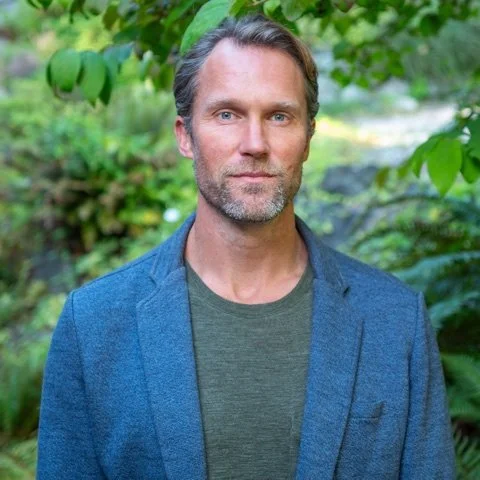
T. Cody Swift
A philanthropist and psychotherapist, T. Cody Swift helped bring the Community Leaders Resilience Fund to life and advises its work. He is founder and co-director of the Riverstyx Foundation, which provided the fund's initial backing, and has been one of the most consistent supporters of psychedelic research since 2008, helping seed landmark studies at Johns Hopkins and beyond.
Trained in existential-phenomenological psychology, he served as a guide in Johns Hopkins' psilocybin cancer-anxiety study, and brings a deeply relational approach to philanthropy at the frontiers of healing.
“Early in life, I already had a tendency to question convention, and was especially drawn to the ‘abnormal.’ In 4th grade I refused to participate in D.A.R.E.’s hypocrisy of labeling some drugs as bad and others good; at 13, my father gave me Krishnamurti’s Freedom from the Known and Becker’s Denial of Death; and at 16 I developed an intellectual fascination for psychedelics — tools for augmenting and understanding consciousness. In my twenties, I worked for three years as a hospice caregiver in low-income communities, sitting with those at the end of life. Since 2008, I have been directing the Riverstyx Foundation and working as a psychotherapist — both venues to support others in discovering what gems may be lying in the shadows of life. In addition, I have a long-standing passion for working with film and qualitative research, both means for more deeply understanding and communicating the subjective nuance of the mystical and healing process.”
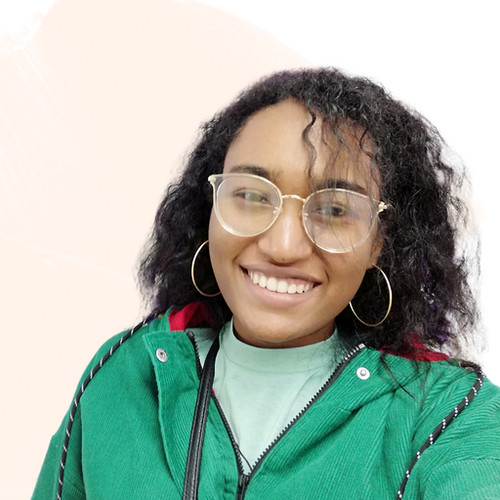
Nikia McCoon
A wide-ranging administrative powerhouse who keeps the foundation's many trains running on time, from data management and funds administration to communications and process improvement. She partners with us through Magical Teams.
A rapid learner and strategic problem-solver, she thrives under pressure, brings meticulous attention to detail, and consistently lifts the team's energy, taking on every new program and task with grace and diligence, often well beyond her prior experience.

Alex Canedo
A senior operations strategist with nearly two decades of experience in high-growth environments, having scaled customer-experience and global teams across SaaS, tech, and service-focused companies.
Known as a strategic integrator for mission-driven founders, she turns messy ideas into clean systems built for sustainable impact, and supports the foundation's operations and programs through our partner Magical Teams.

Mercedes Ballard
A people-operations strategist focused on building high-performing, values-aligned teams, with experience spanning startups and a venture she co-founded.
She brings a strong bias for action and a collaborative style, aligning people, process, and culture to support sustainable growth, and partners with the foundation through Magical Teams.

Keri Padon
Keri Padon pairs somatic wisdom with expertise in psychedelic care. Her toolkit includes breath-led movement, nonviolent communication, and restorative justice practices that support nervous system regulation and help maintain equanimity. Warm, organized, and culturally attuned, Keri is a wonderful and foundational member of the Community Leaders Resilience Fund team.
A trauma-informed yoga teacher (E-RYT 200) and graduate of InnerTrek's Psychedelic Facilitation Training program, Keri managed the InnerTrek Service Center throughout its tenure, supporting facilitators and safeguarding client journeys. She now serves as Program Manager for the Community Leaders Resilience Fund.
Our Board of Directors is David Bronner, Tom Eckert, Nathan Howard, and Dr. Adie Rae. Tap any card to read a full bio.
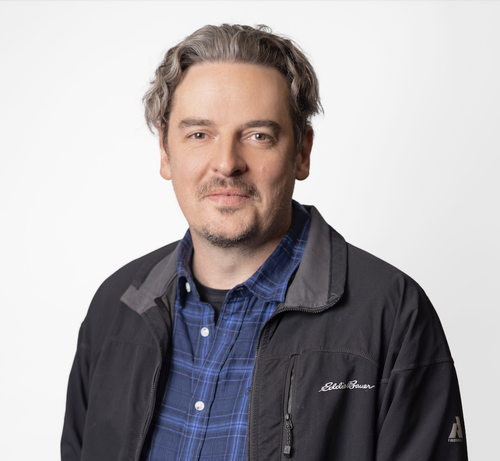
Tom Eckert, MS
Tom co-founded the Sheri Eckert Foundation and, with Sheri, set in motion the law that made it possible. A seasoned psychotherapist, he and Sheri built the Innerwork counseling practice and a Better Man program addressing intimate-partner and family violence, before turning their shared fascination with consciousness toward psychedelics.
Together they conceived and led Oregon's Measure 109, with Tom as its chief architect, assembling the coalition and the roughly 165,000-signature campaign that, in 2020, helped reverse five decades of psilocybin prohibition. He served as founding chair of Oregon's Governor-appointed Psilocybin Advisory Board, and is Founder and Executive Director of InnerTrek, the first state-licensed psilocybin facilitator school.
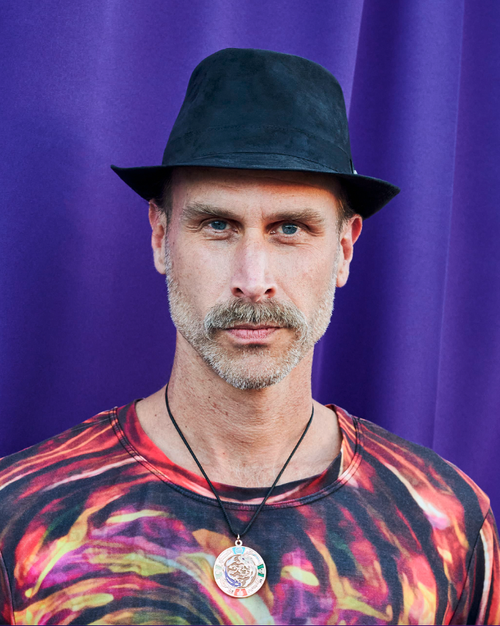
David Bronner
David Bronner is Cosmic Engagement Officer (CEO) of Dr. Bronner's, the family soap company founded by his grandfather, which he has helped grow into one of the country's most committed activist businesses.
A longtime champion of drug-policy reform and psychedelic-assisted therapy, alongside regenerative organic agriculture, fair trade, and animal advocacy, David and Dr. Bronner's provided crucial support that helped carry Oregon's Measure 109 to victory. He brings that movement-building experience and conviction to SEF's founding board.
Nathan Howard
Nate co-founded the Sheri Eckert Foundation with Tom Eckert and serves as its Executive Director and a founding board member. A systems-change organizer behind Oregon's Measure 109 and the world's first legal psilocybin healthcare model, he guides the foundation's strategy, funds, and research.
His full biography appears under Team & staff, and you can learn more about Nate at natehoward.org.
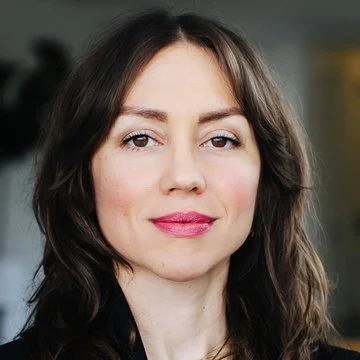
Dr. Adie Rae
Dr. Adie Rae (who publishes as Adie Wilson-Poe) is a neuroscientist whose research spans the benefits and risks of psychedelics and cannabis. An Assistant Scientist at Portland's Legacy Research Institute and a Clinical Assistant Professor in the Department of Medicine at Oregon Health & Science University, she co-directs the Open Psychedelic Evaluation Nexus (OPEN).
OPEN is the team behind Oregon's first federally funded psilocybin study, a $3.3 million NIH-supported project measuring real-world outcomes across the state's psilocybin system of care. Her peer-reviewed work has appeared in leading journals, including Neuron.
Research collaborators at UC Berkeley's Collaborative for the Economics of Psychedelics and UCSF. From 2024 to 2026 this team worked with the foundation to raise funds for a healthcare utilization study of state-regulated psilocybin care; the team is exploring how that work can carry forward, including a methods paper on how to evaluate care that never generates an insurance claim. Read more on the About page
Elliot Marseille, DrPH, MPP
Stefano Bertozzi, MD, PhD
Robin Carhart-Harris, PhD
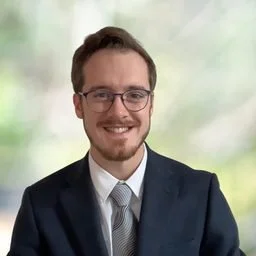
Will Lucas
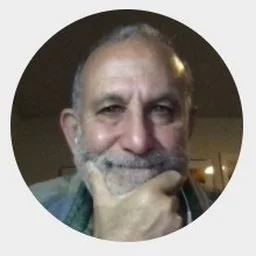
Jim Kahn, MD, MPH
Nathan Howard
An advisory board of leaders across science, policy, ethics, and community health that has guided the foundation's research direction since 2024.
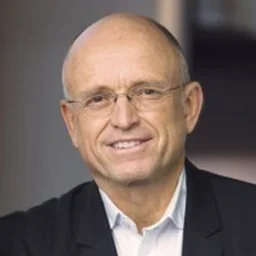
Tyler Norris, MDiv
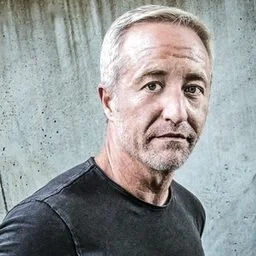
Aaron Loehr
David Bronner
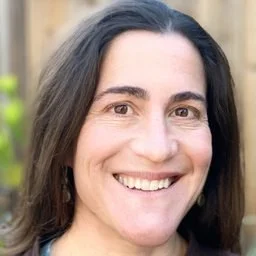
Tamar Todd
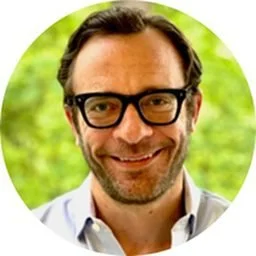
Britt Rollins
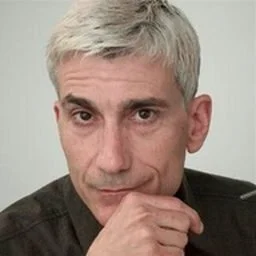
Bob Jesse
Adie Rae, PhD
Trusted partners who extend the team's reach, turning a small foundation's vision into working programs.

Magical Teams Strategic & operations partner
Our key strategic and operations partner, Magical Teams works as an extension of our staff, turning bold ideas into working programs and handling the logistics, compliance, and communications behind our funds and scholarships.
As Nate describes it, the hard part of a small nonprofit is having the vision but lacking "the actual skills, attention to detail, or just time" to make it real, exactly the gap Magical Teams fills.
Horizons PBC Conference partner
Together with Horizons PBC and its founder, Kevin Balktick, we co-created and presented the Horizons Northwest conferences at the Portland Art Museum.
Social Impact Accounting Accounting & CPA
Our accountant and CPA, Jack Mesplay of Social Impact Accounting, keeps the foundation's books sound, compliant, and transparent.
Research & academic partners


Field & funding partners


The first real-world psychedelic research, in the open
Swipe or tap the arrows to move through all 10 sections.
For fifty years, promising medicine was kept from the public. We're changing how it gets studied
Many of the most important questions in psychedelic care will never be answered by commercial incentives alone, the most-studied compounds are off-patent, so pharmaceutical investment passes them by. As a nonprofit incubator, we ask the public-benefit questions instead: who gets access, what care costs, which outcomes matter, and how to make it safer.
The commercial pathway
- Profit-driven by design, sponsors expect patent-protected returns
- ~$1.1B estimated to bring one nervous-system drug to approval
- Off-patent, naturally occurring compounds get skipped
The public-benefit pathway
- Philanthropy funds research that serves people, not patents
- Rigorous studies inside legal Oregon & Colorado programs
- Faster, lower-cost, real-world evidence on access & cost
FDA pathway vs. the state model, who actually gets care?
Thirteen questions, built from the data on this page plus peer-reviewed sources. Guess first, the answers reveal why the FDA pathway, though essential, is narrow by design, and why the state-regulated model can reach far more people, far sooner.
questions, each with a cited answer
U.S. adults eligible for psilocybin therapy for depression via the FDA route
any qualifying adult can access the state-regulated model
Asking not just whether psychedelic care works, but what it costs, and who it reaches
In 2026, SEF Executive Director Nathan Howard co-authored The Imperative for Economic Evaluation in Psychedelic-Assisted Therapies (SSRN), a paper arguing that psychedelic care must be evaluated for affordability, access, and public value, and that rigorous, lower-cost studies can run inside state-regulated care models.
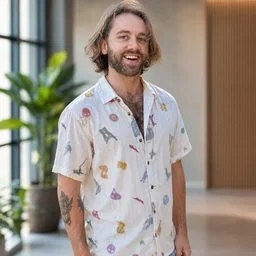
"The opportunity to produce impactful real-world research inside state programs is not one we should neglect."
Low-Income Group Psilocybin-Assisted Therapy for Depression
The first clinical study run inside Oregon's regulated program, and the first anywhere built around a low-income population. A $30,000 catalytic grant to the National University of Natural Medicine produced peer-reviewed, real-world evidence at a fraction of FDA-track cost.
HAM-D depression score, baseline to completion
effect size d=1.89, p<.001retention: 20 enrolled and began treatment, 19 completed
mean participant satisfaction
catalytic grant, about the cost of a used car
Three studies we are raising for now, each inside state-regulated care
Building on the depression study, the incubator's next projects follow people through licensed psilocybin care and measure what it changes: symptoms, resilience, and what the care costs to deliver.
LIGPATD 2
- Randomized effectiveness trial of group psilocybin therapy for depression, 72 participants, with NUNM
- Roughly $550K in the recommended tier
CLRF research study
- Community leaders followed from baseline to 12 months through licensed retreats
- Staged campaign, $650K to $1.4M
Inward Dive Fund research
- Observational study alongside the July 2026 retreat for previously incarcerated people
- Second retreat planned for 2027
A growing portfolio of real-world studies inside regulated programs
Each project is designed to answer a public-benefit question commercial research won't, and to build evidence the whole field can use.
Depression, low-income
- First in-program study, HAM-D d=1.89
Alcohol Use Disorder pilot
- First AUD study in the model, Healing Advocacy Fund × InnerTrek × People Science
LIGPATD 2, effectiveness trial
- Randomized, 72 participants, with a health-economics aim
OPEN, shared measurement
- A common outcomes framework at OHSU
Justice-impacted access
- Subsidized, legal care via the Inward Dive Fund
Group delivery economics
- ~35–51% modeled clinician-cost cut → wider access
If you can't measure it the same way twice, you can't build evidence
Real-world programs generate enormous experience, but scattered, inconsistent data can't move policy. OPEN gives the field a shared measurement framework, so studies across providers and states can be compared, pooled, and trusted.
Common outcome measures
- Validated instruments used consistently across sites
Shared data practices
- Consistent consent, capture & de-identification
Claims & cost linkage
- The connective tissue future cost studies build on
NIH-supported measurement work at OHSU
Federal investment, 2026expert consensus on the outcomes that matter most
Consensus, 2024Where psychedelic policy is moving, and where research can follow
Real-world evidence is what lets a state-regulated model earn the trust to spread, and trust is what eventually opens up public funding and coverage. A snapshot grouped by where each place sits, not "legal vs. illegal."
people served in Oregon's regulated program
operating models: Oregon, Colorado & New Mexico
states have weighed similar models
reachable by a state model vs ~2.3M via the FDA route
The evidence, in the open
Peer-reviewed papers, study results, press coverage, and policy resources behind the work, plus a short film on the research and the people it's for.
Catalytic dollars here go further than almost anywhere in the field
A $30,000 grant produced a peer-reviewed depression study. Roughly $550K funds LIGPATD 2, its randomized follow-on, and $650K to $1.4M adds a research layer to the Community Leaders Resilience Fund. There are three ways to move the work forward.
Fund a study
- Catalytic, philanthropic capital to launch and complete real-world studies, where every dollar stretches
Partner & connect
- Introductions to data partners, payers, employers, and states
Collaborate on research
- Researchers and programs building shared-measurement studies
The next studies from the SEF incubator follow people through licensed, state-regulated psilocybin care and measure what it changes: depression, resilience, and what the care costs to deliver. Each has a deck. Each is open to partners and funders.
To fund or partner on any of these studies, write to info@sherieckert.org.
Where is psychedelic healthcare legal, and what’s coming next?
The Psychedelic Policy Tracker follows every state, every bill, the patents, the federal pipeline, and the world, from Oregon’s first-in-the-nation model outward. A living map of the movement Sheri Eckert started, built to be shared.
Oregon 2027: the Psychedelic Services Improvement Act, and how to support it
Our research, and the people it serves, covered in the news.
Take a breath. Trace the path
No goal, nothing to achieve, only an invitation. If you'd like, slowly move your finger or cursor around the circle, and watch what unfolds when you give it your attention.
Where our grantees find care
Grantees of our Community Leaders Resilience Fund and Inward Dive Fund receive their psilocybin care at Fernlove, Oregon's only licensed psilocybin service center with on-site lodging, set on thirty forested acres an hour west of Portland. Licensed facilitators, regulated medicine, and the quiet of the forest.
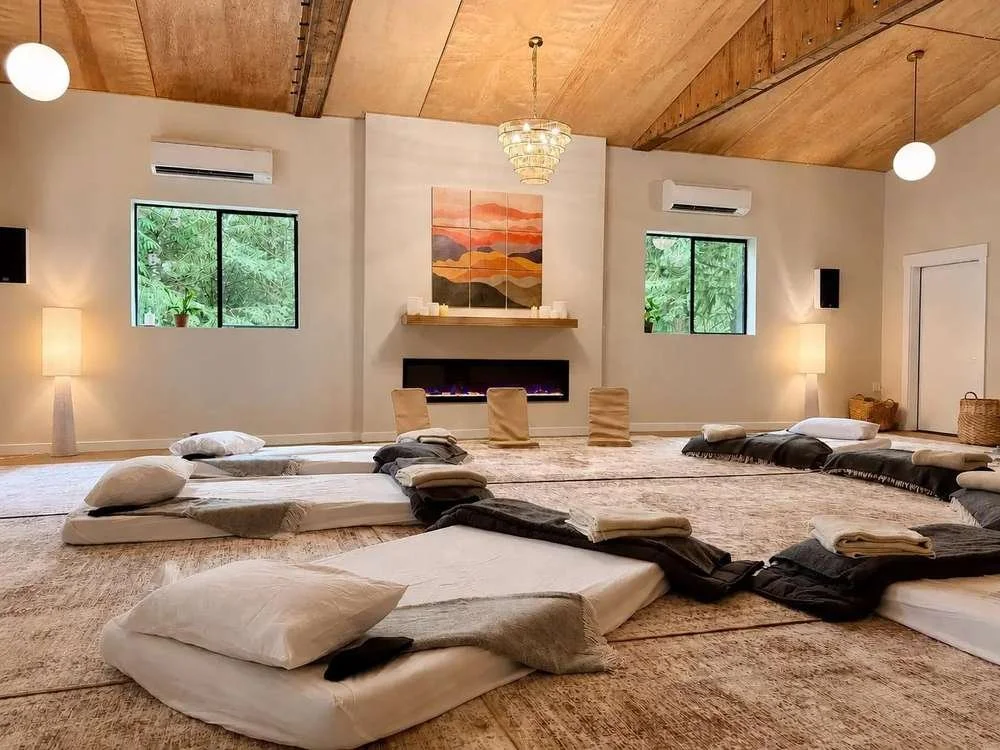


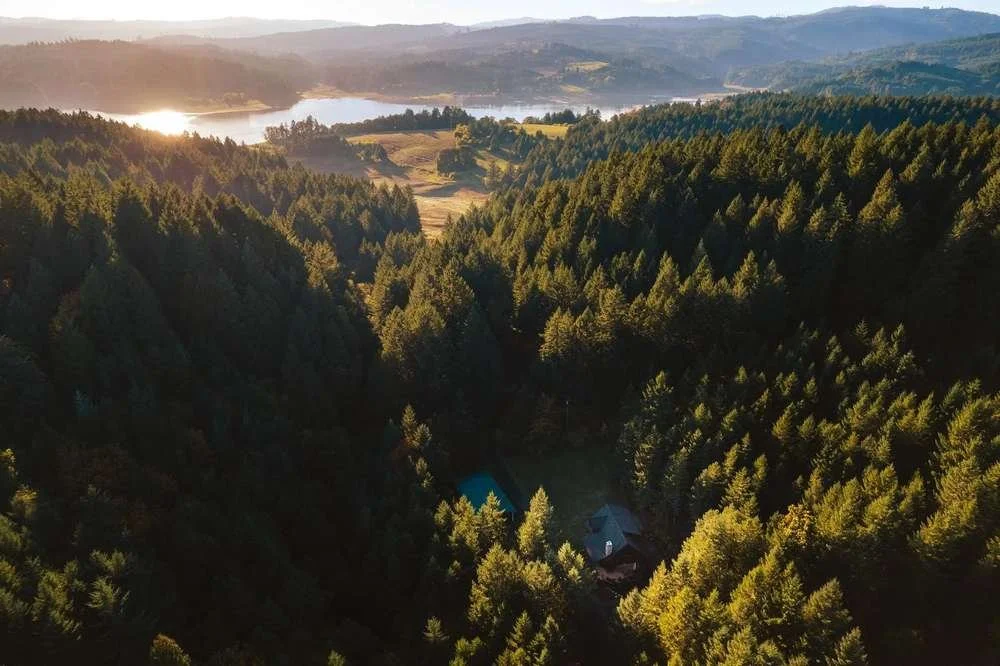
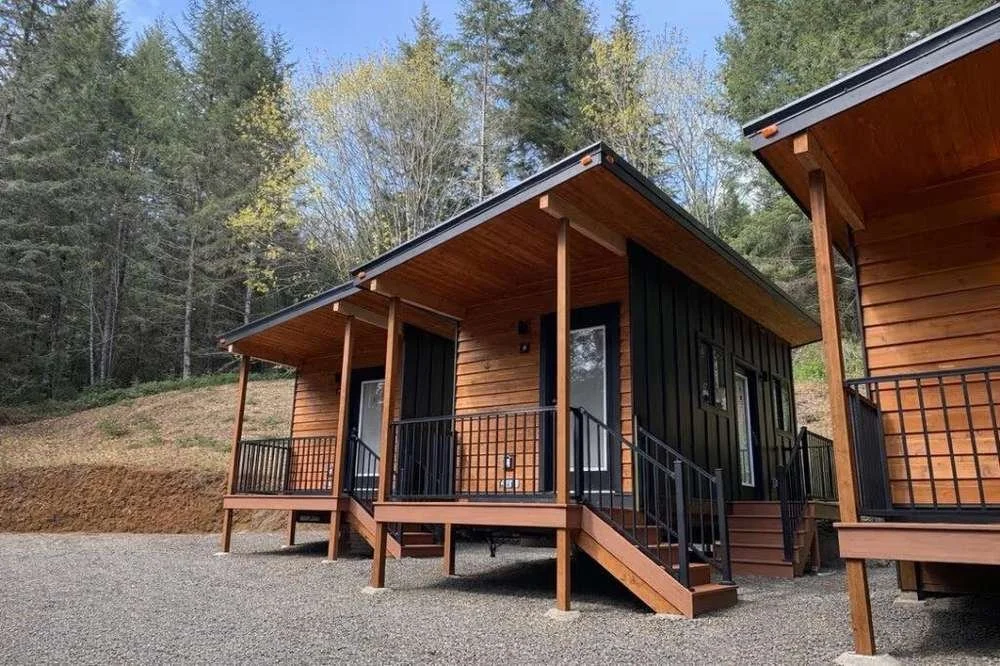
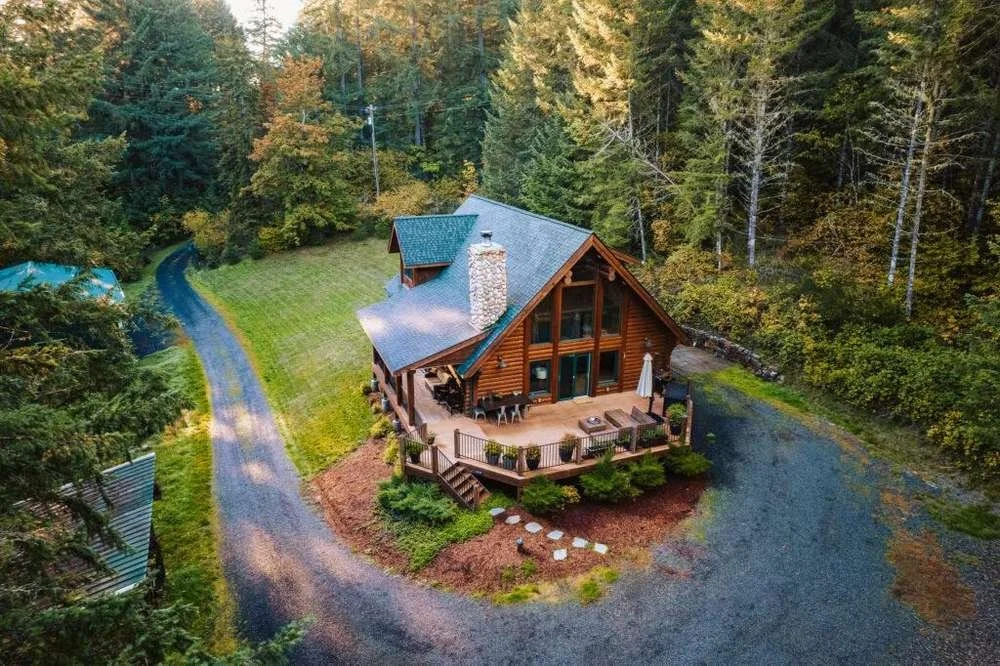


Fernlove works exclusively with licensed facilitators and psilocybin from licensed manufacturers. It is the primary service center for these two funds, though not every grantee journeys here. Visit Fernlove
From philanthropy to states that fund the care
While we create access for people who otherwise couldn't receive psychedelic therapy, we're building the evidence for something bigger: states deciding to adopt, build, and fund the model Sheri helped create, so residents can receive subsidized or fully covered psychedelic healthcare, with insurance coverage following close behind.
Early data suggests it may be possible to save states as much as $7 for every $1 spent providing residents psychedelic care, the kind of return that makes a publicly funded model not just compassionate, but fiscally rational.
Seed the field, 2021–2023
Fund facilitator training so a diverse first cohort can serve the new model, 76 scholarships, a combined $300,000 awarded in equal partnership with the Healing Advocacy Fund.
Increase access & prove it works, underway
Build a statewide sliding scale while running first-of-their-kind research like LIGPATD 2 and the Community Leaders Resilience Fund study. In 2026, we begin expanding to Colorado.
States adopt & fund the model, the goal
Driven by evidence that every dollar saves the state more, states pass and fund their own state-regulated psychedelic healthcare, and insurance coverage follows, so access scales far beyond philanthropy.
July 17–19, 2026, Fernlove Retreat Center, Gaston, Oregon
We funded the retreat. They chose to help study it
A legal group psilocybin retreat for about a dozen previously incarcerated people, paid for in full by the Inward Dive Fund, with an observational study most of them opted into. Believed to be the first of its kind with this group. Results are pending.
Organizing it
Getting a dozen people to the door
Most people who could benefit most from legal psilocybin care cannot get near it. The cost is high, it is rarely covered, and a record closes doors that were already narrow.
So the Inward Dive Fund paid for the whole thing: the service center, the facilitators, the lodging and the meals, for a group of previously incarcerated people over three days in the Oregon forest.
The weekend
Three days at Fernlove
- ThursdayTeam preparationFacilitators, researchers and the venue team set up the spaces and walked the flow.
- FridayArrival and orientationParticipants arrived, settled in, and met the people who would be with them all weekend.
- Friday and SaturdayTwo journey daysThe group was split across two administration days at a state-licensed service center.
- SundayIntegration and closingMorning integration, closing activities, then a group shuttle back to Portland.
The choice
The research was optional. Most people said yes
Nobody had to take part. Opting out changed nothing about who could attend or what they received.
The study is observational only. The researchers did not provide psilocybin, did not administer it, and did not change the retreat. The retreat came first and the research was built to fit around it.
Most participants opted in anyway, which is the reason there is anything to learn from at all.
The study
What it actually measured
- BeforeBaselineQuestionnaires on stress, anxiety, mood, connection and relationship to nature, a short social perception activity, and noninvasive Muse EEG headband and Polar H10 heart recordings.
- DuringThe sessionParticipation in their allocated journey day, unchanged by the study.
- AfterFollow upInterviews, surveys, the social perception exercise again, and a second biometric reading on Sunday.
Nothing invasive: no needles, no blood draws, nothing placed inside the body.
The researchers
Who ran it
Conducted by researchers affiliated with the Center for Collective Healing and Yale University.
Artist, neuroscientist and psychiatrist studying how social information is computed in the brain, and how music, mindfulness and psychedelics may change social connectedness and stress.
What we heard
Positive overall, and a list of things to fix
Feedback from participants to the research team was positive overall. That is as far as we can go right now: the study results are still pending, and we are not going to get ahead of them.
We also came away with a clear list of things to do better, from how we screen and prepare people to how the schedule holds the day after.
The second retreat is being planned now. Dates to be announced.
What you can do
Two ways in
One for people who want a seat in 2027, one for people who can help pay for it.
Get invited to applyTakes under a minute
Help fund the second retreat Talk it through with Nate and HenryScroll sideways, drag, or use the arrow keys
We helped bring Horizons to the Northwest
The Horizons Northwest conferences, co-created and presented by the Sheri Eckert Foundation and Horizons PBC.
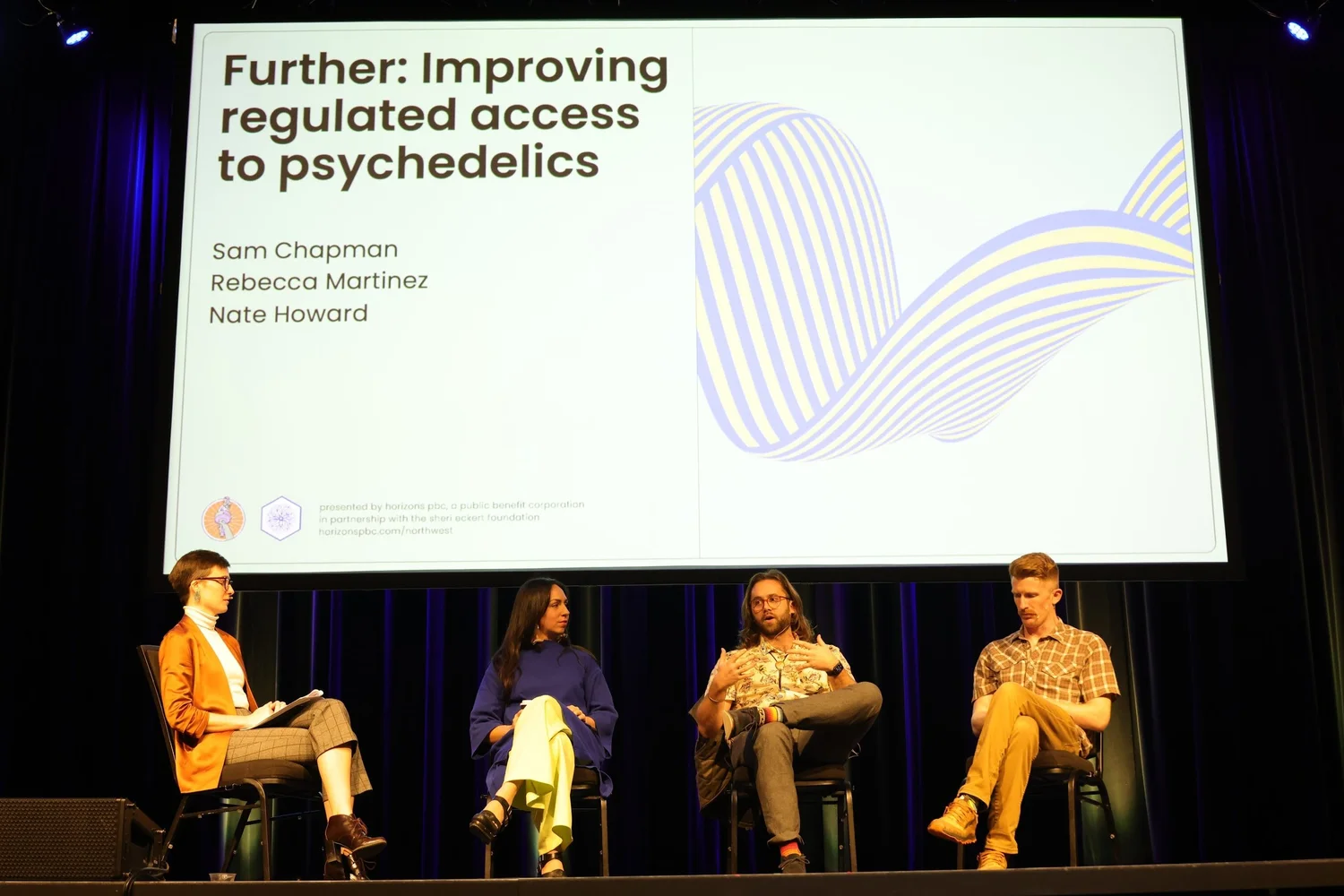
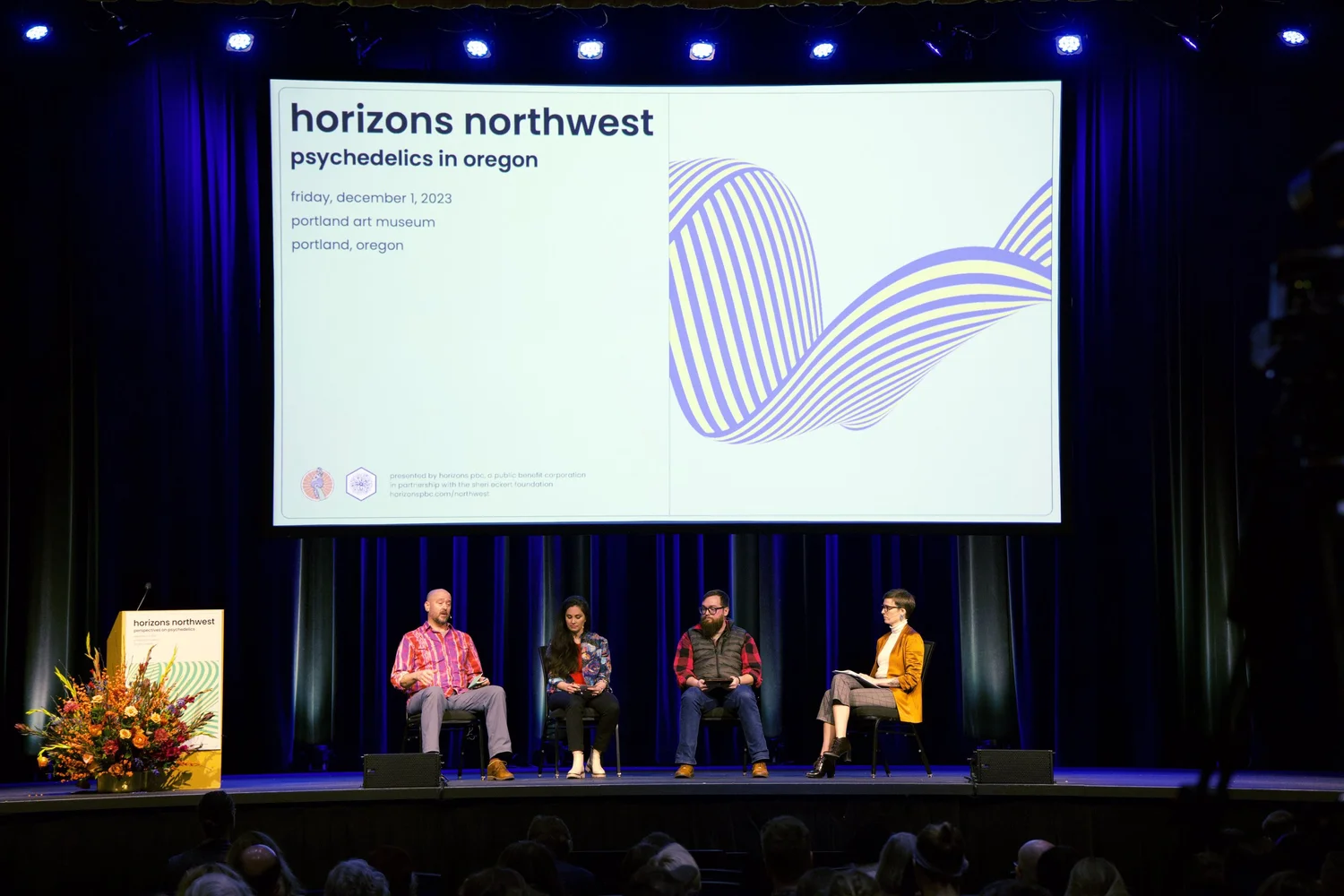
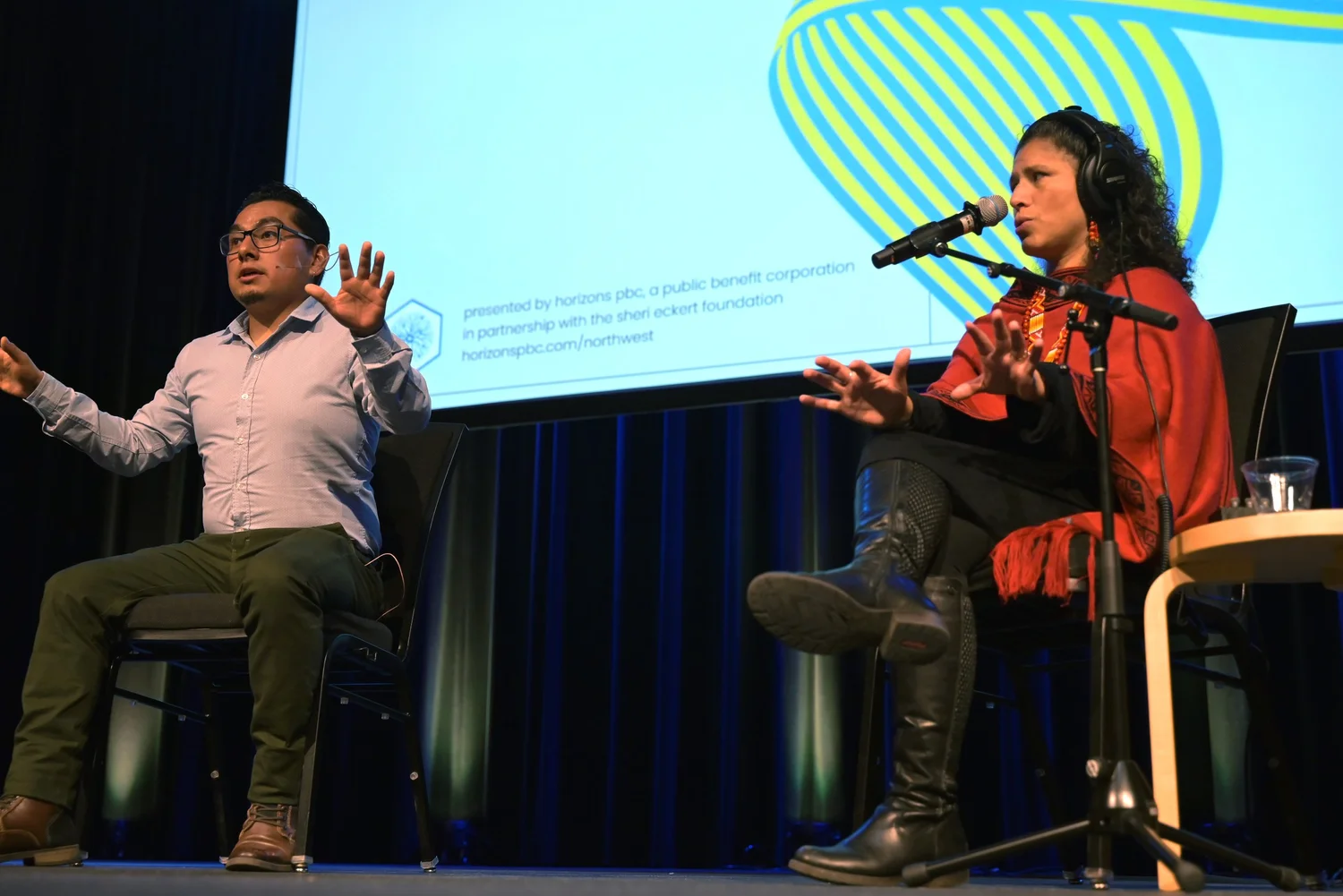
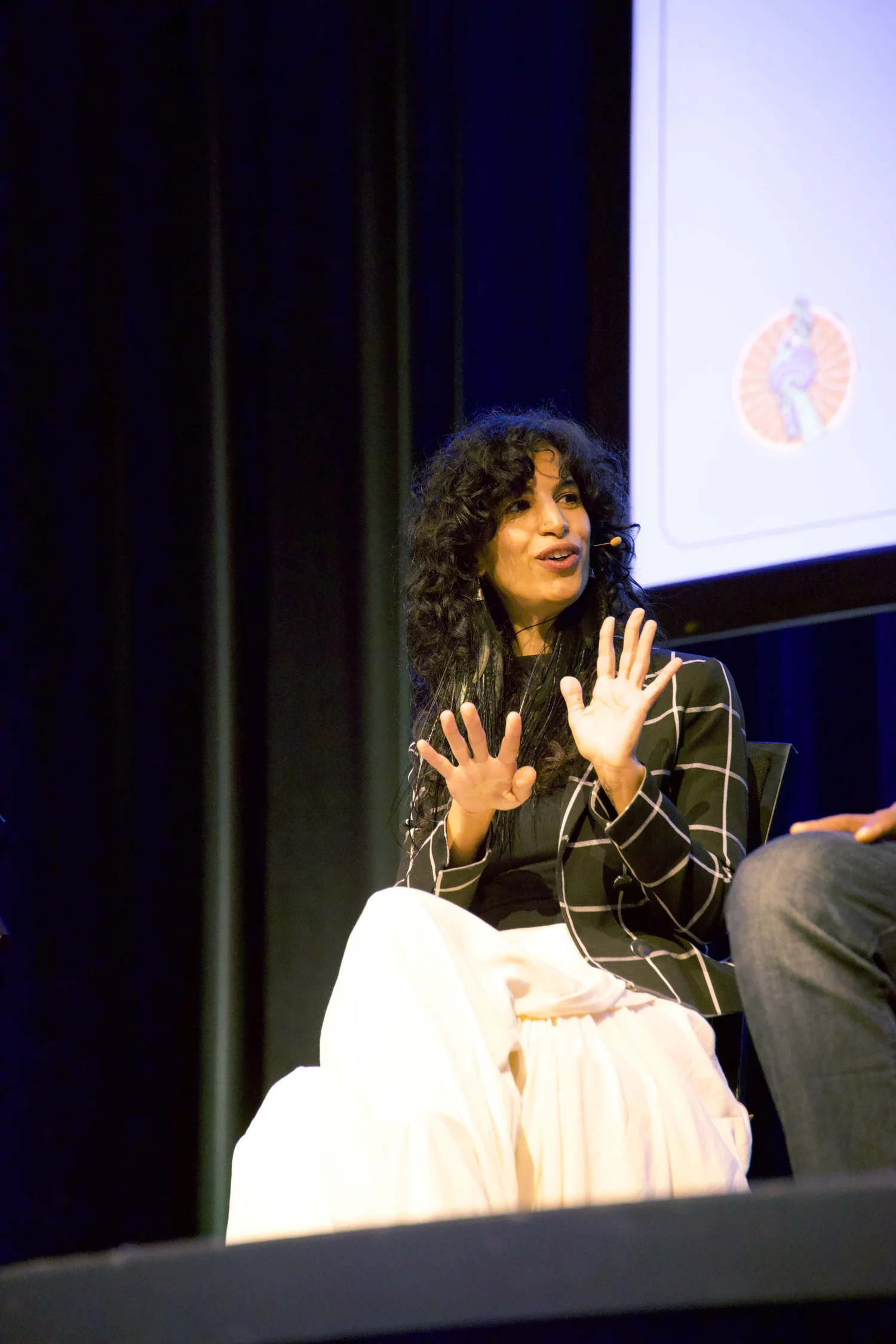
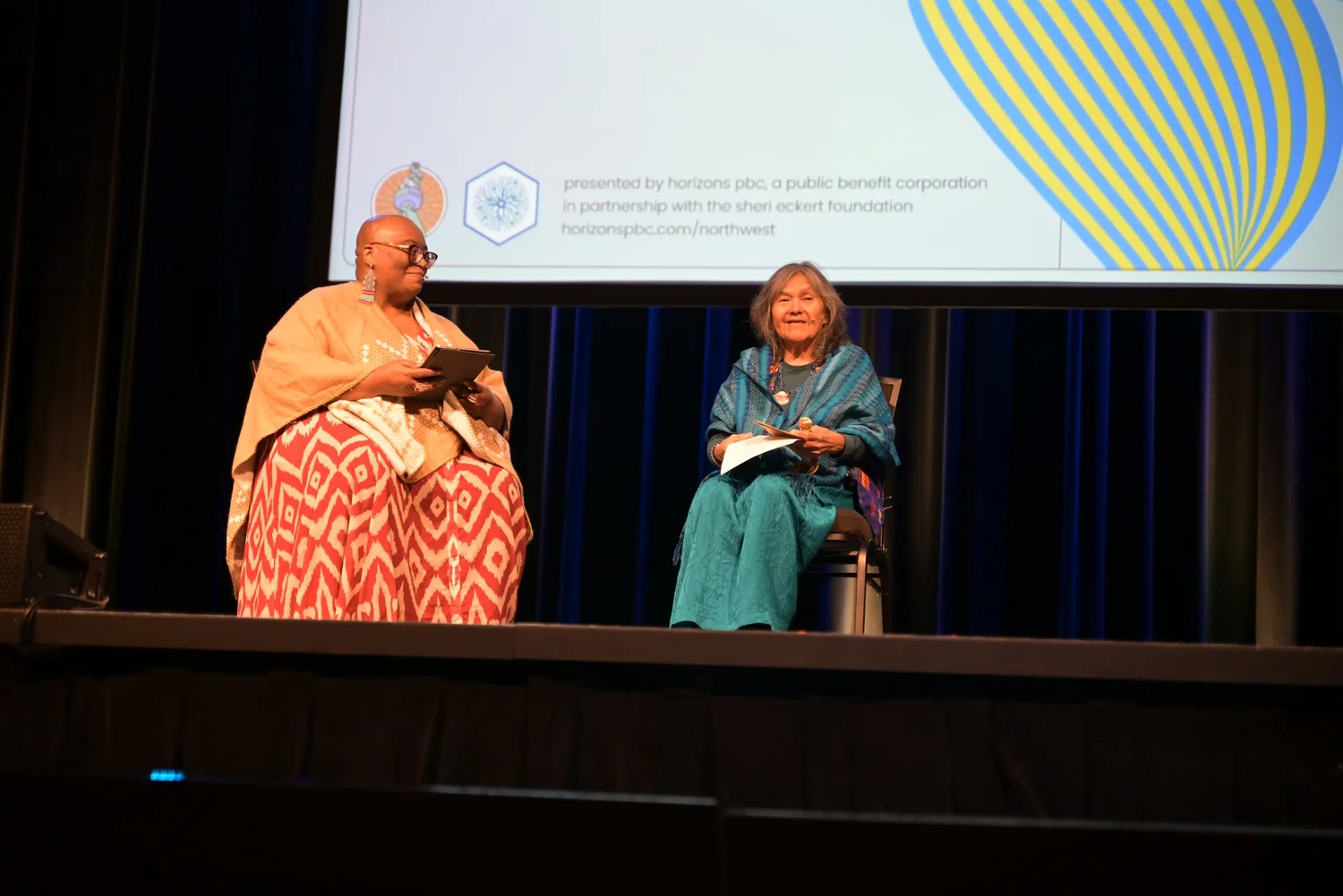
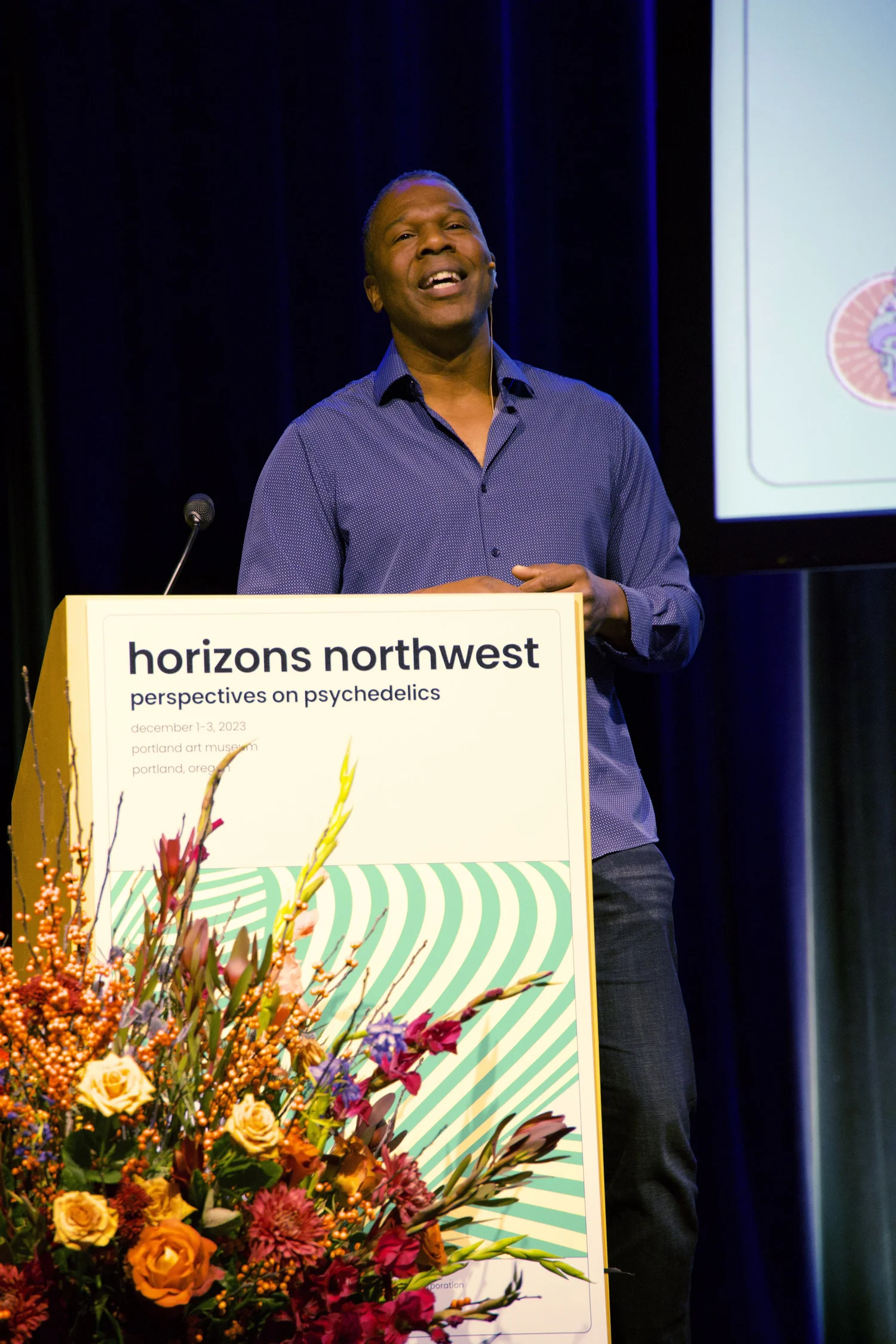
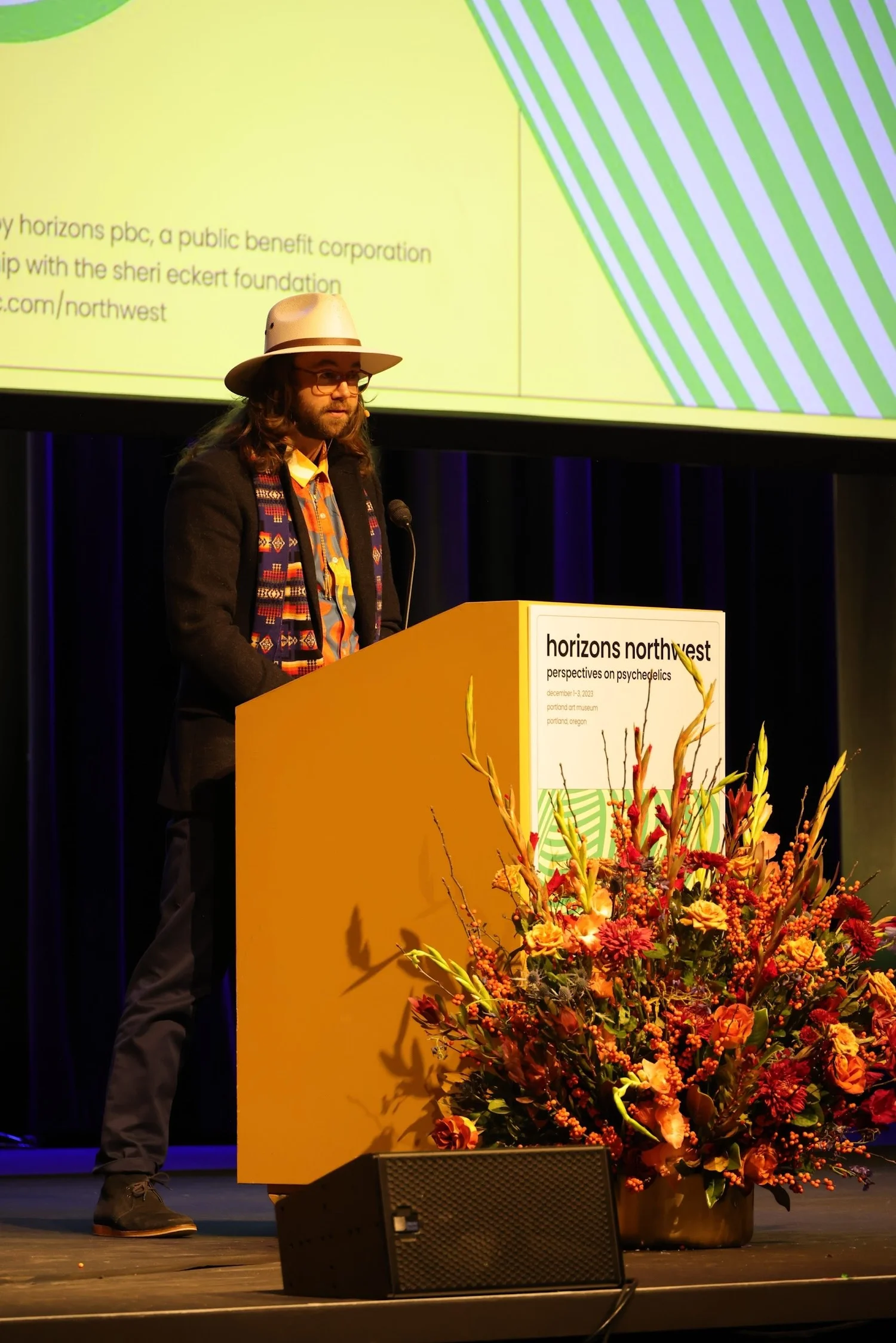
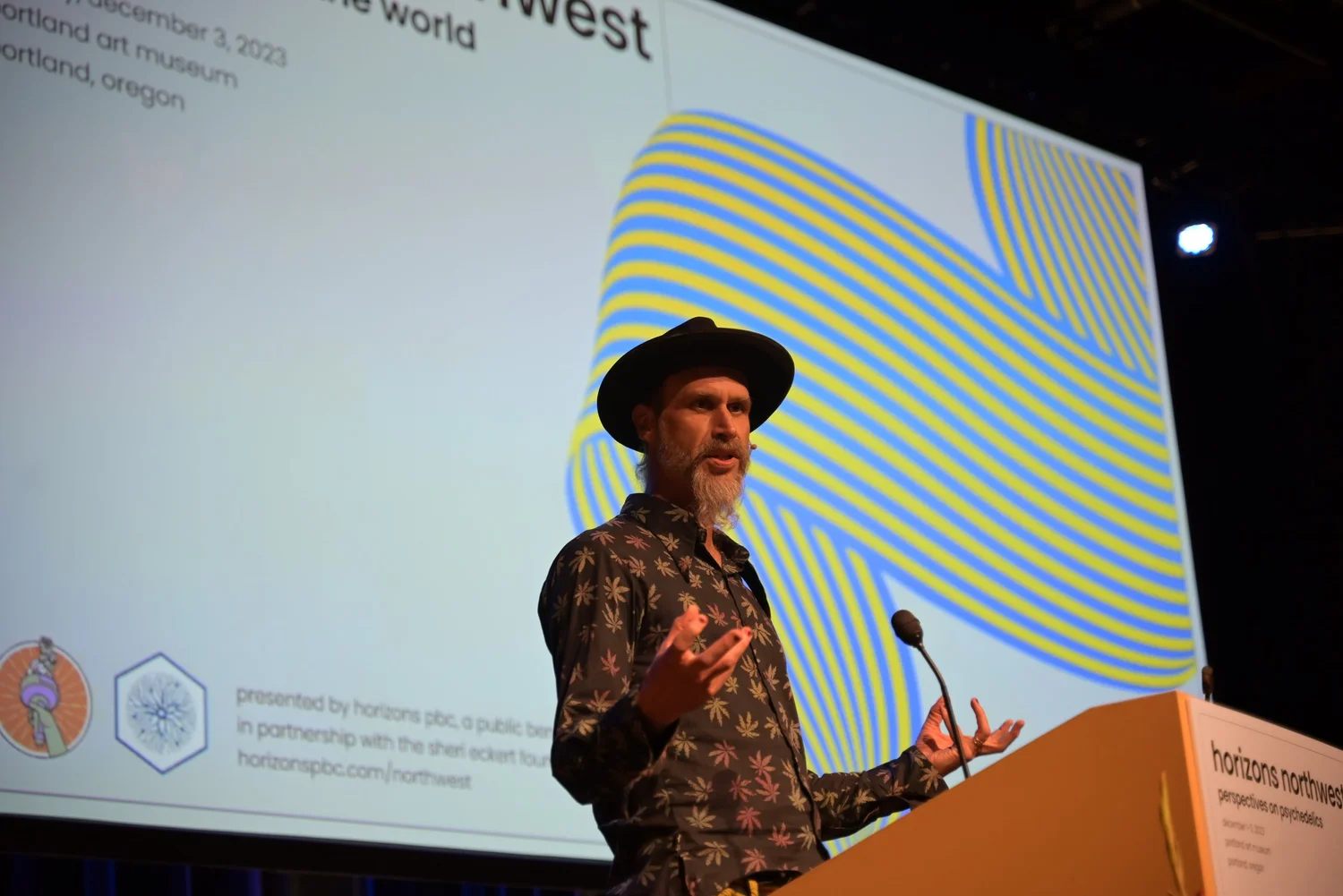
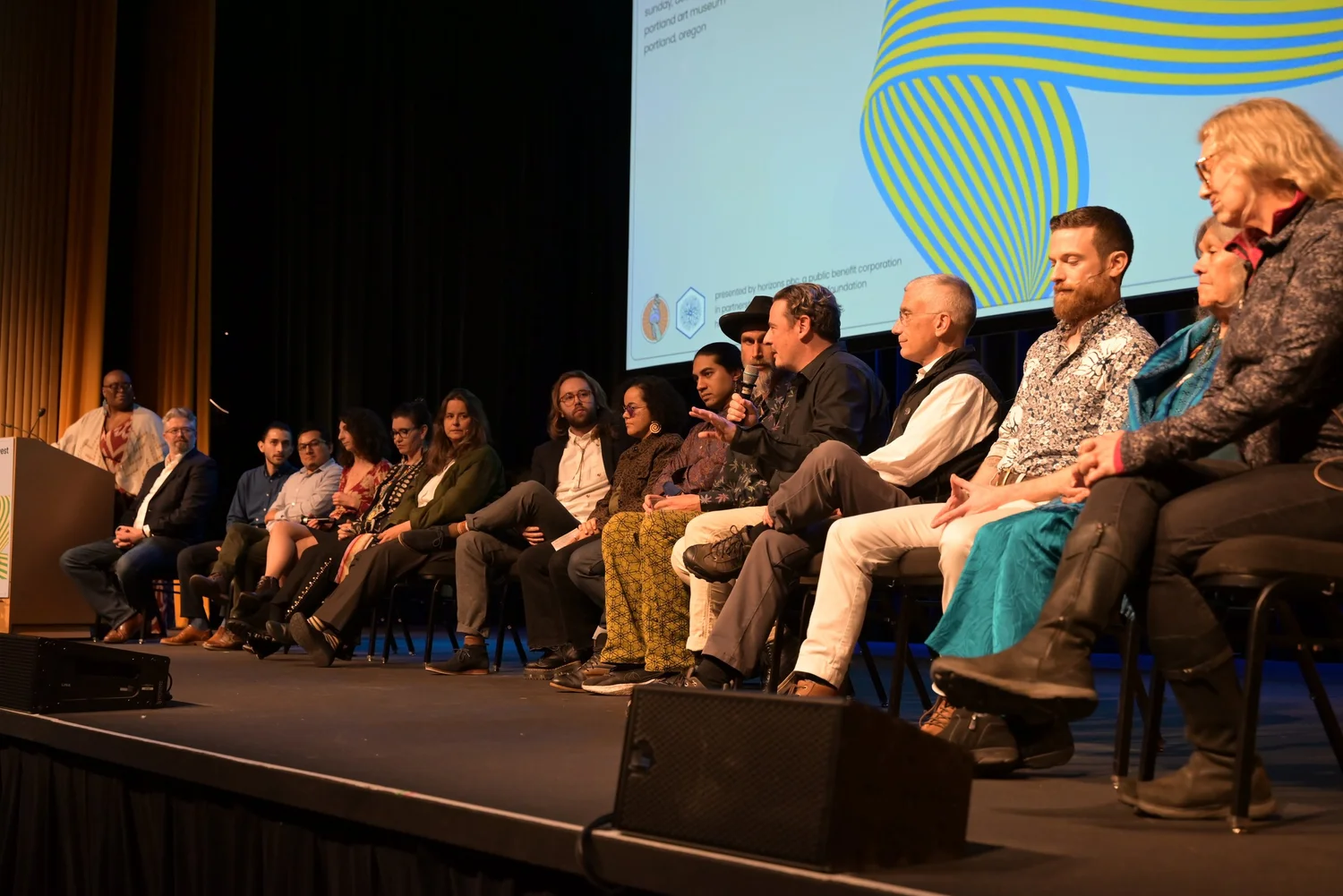
David Bronner, Tom Eckert, and Nate Howard, the Founding Board Members of the Sheri Eckert Foundation and co-creators of Horizons Northwest, share reflections, goals, and aspirations, alongside leaders in the psychedelic medicine movement, at the second Horizons Northwest conference at the Portland Art Museum.
Alongside Horizons PBC, the Sheri Eckert Foundation co-created and hosted the first two Horizons Northwest conferences, the largest psychedelic learning and community event in the Pacific Northwest, both held at the historic Portland Art Museum, opening in September 2022 and again in December 2023. A share of every conference's proceeds funds our needs-based scholarships, so the more people who gather, the more healing it supports.
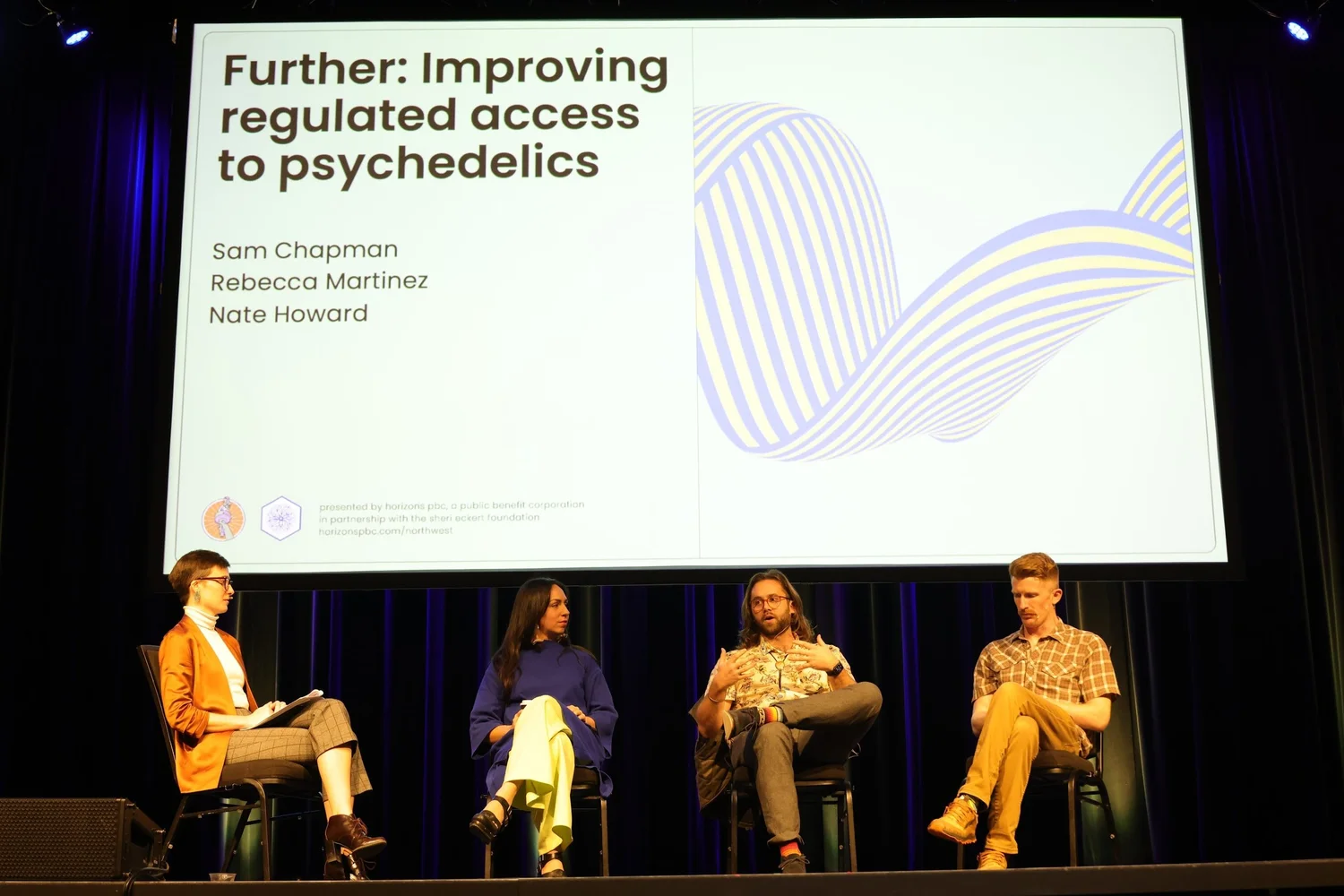
Revisit Horizons Northwest
Three days exploring the psilocybin model, the science, and psychedelics in the world.
Visit the conference Recorded talksWatch the 2023 sessions
Full keynotes, science briefings, and panels, recorded live at the Portland Art Museum.
Watch on YouTube
What I learned is anyone that has contact with the justice system is holding trauma and stress.Henry Fields, lead of the Inward Dive Fund
I really wish psilocybin services could be more accessible for people above ground… it was the most tremendous gift I think I've ever received. People need this, because the world is only getting harder to deal with.A community leader, two months after a psilocybin session in Oregon
We simply need to help more people have access to the healing potential of psilocybin. Not having the money for it should never be the barrier for greater health!Mark Holloway & David Kahl, Full Potential Fund
Sheri Eckert
The Sheri Eckert Foundation was established in 2021 to honor Sheri's legacy and fulfill a clearly stated wish. A co-creator of Oregon's Measure 109, she spoke often of building an institution, guided by on-the-ground community leaders, to support facilitator training, community education, and service delivery for underserved populations.
She passed away in December 2020, and is remembered for championing the unique spirit residing in each of us, and for helping deliver the nation's first above-ground psychedelic therapy framework, a program infused with her perseverance, integrity, and loving, inclusive embrace.
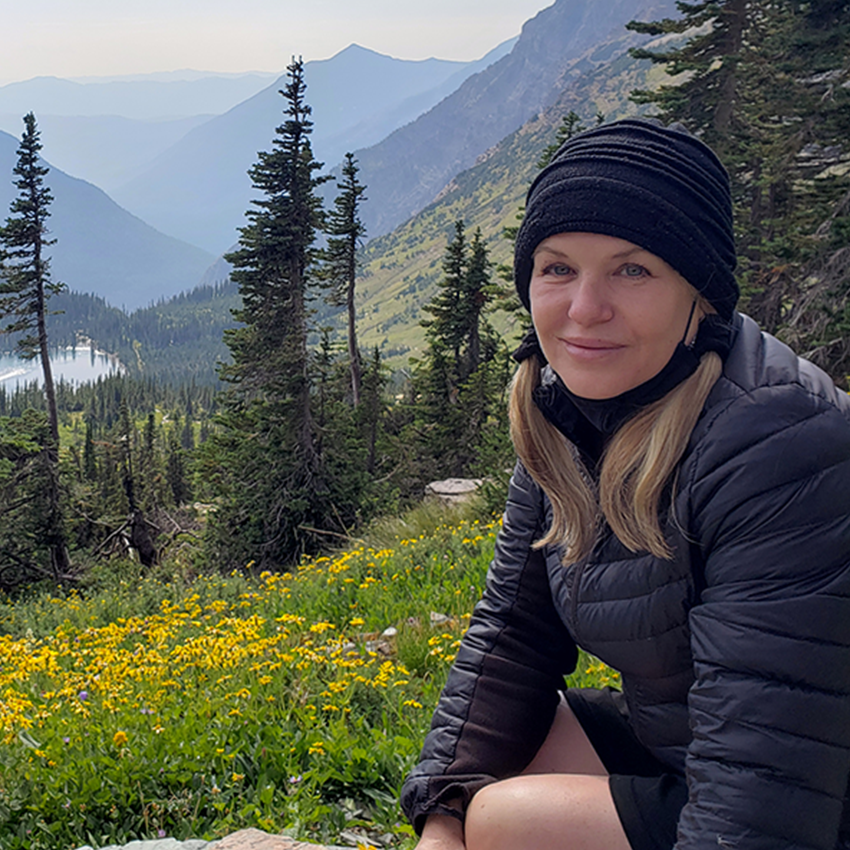
“If you take the time to explore yourself, to listen to your spirit, to walk among the many less frequented paths within your mind, I am sure you will be amazed at the mesmerizing beauty you will find.”Sheri Eckert
Your gift becomes someone's healing
Every dollar supports equitable access to legal psilocybin services for people with financial need, and helps build the research that brings coverage closer. Our funds run entirely on donations, so the more we raise, the more grants we can offer.
Want updates instead? Read the latest from our team
Support the funds
Give once or monthly to fund psilocybin therapy for people who couldn't otherwise access it.
Donate to the fundsMore about our 501(c)(3) status
The Sheri Eckert Foundation operates as a project of the Oregon Research Foundation (ORF), a 501(c)(3) nonprofit (EIN: 33-3344932). All donations are processed through ORF and are fully tax-deductible. You can view ORF's IRS tax-exemption letter here, or learn more about the foundation.
Join our mailing list
Get occasional updates from the Sheri Eckert Foundation, new grants, research milestones, and ways to support equitable access to legal psilocybin care.
2027 retreat dates are live
The Community Leaders Resilience Fund has set its 2027 retreat dates, February through October, and applications are open.
Apply for a GrantSee the dates