

The evidence states need to fund psychedelic care.
Project Overview




02 Why this matters
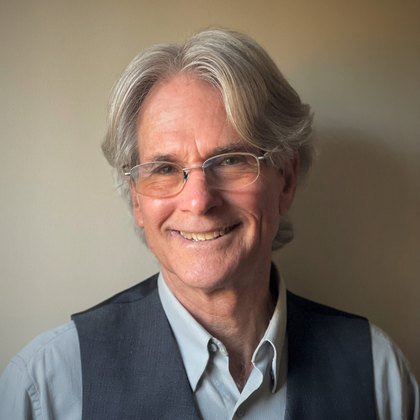
I’ve spent my career asking whether health interventions are worth what they cost. It’s the question that decides whether something stays a boutique service or becomes part of the system.
Legal is not the same as affordable; people still pay thousands out of pocket, and the states running these programs are being asked to sustain them without knowing what they cost or what they save.
03 The reality
Psychedelic care works.
But millions can’t access it.
Millions are suffering, current treatments often fall short, and legal access hasn’t made this care reachable.
The scale
people worldwide live with depression
World Health Organization
What clinical trials show
of treatment-resistant depression patients responded to psilocybin
Johns Hopkins
patients don’t achieve remission with their first treatment*
Cleveland Clinic Journal of Medicine
PTSD remission rate with MDMA-assisted therapy in Phase 3 trials
UCSF
*From their first treatment option
05 Introducing ORCHID: the first study of its kind
The first study to track people before and after psychedelic care, link their experience to real medical records, and show whether it actually reduces health-system costs.
What we expect to rise: wellbeing, preventive care use, and quality of life.
What we expect to fall: crisis visits, hospitalizations, and total health-system costs.
First
First study linking psilocybin services to real medical claims.
Real-world
Real populations, not clinical-trial cohorts.
Timely
Claims tracked from 24 months before care through 12 months after.
08 Impact
ORCHID unlocks three pathways to access
The evidence ORCHID generates is the key that opens many doors to reimbursement, simultaneously.
State-Funded Access
Near-term public investment
Data like this strengthens the case for adopting and resourcing state-regulated programs.
Employer Health Plans
Already available, waiting on data
Gives companies the data they need to evaluate and potentially extend coverage.
Insurance Coverage
The long game
Provides supporting evidence for coverage of FDA-regulated care.
10 The team behind ORCHID
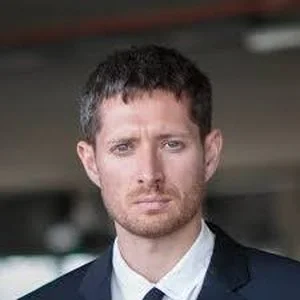
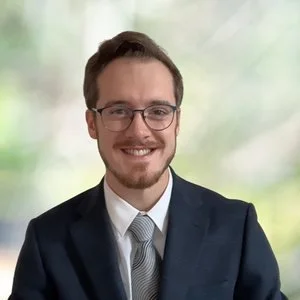
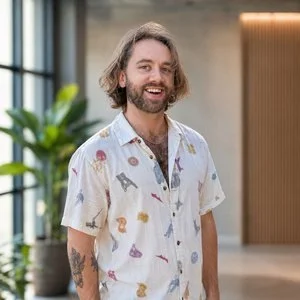
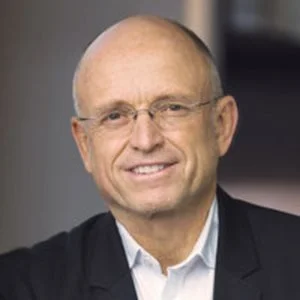
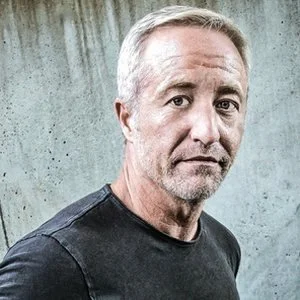
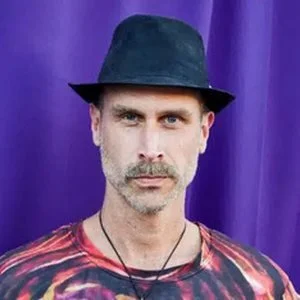
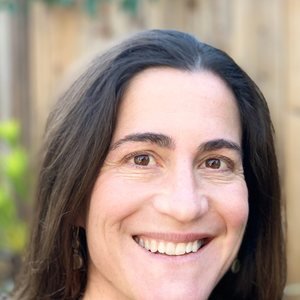
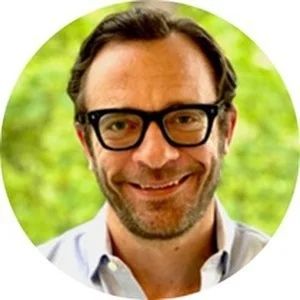
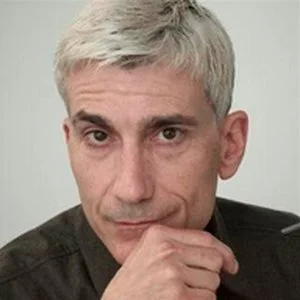
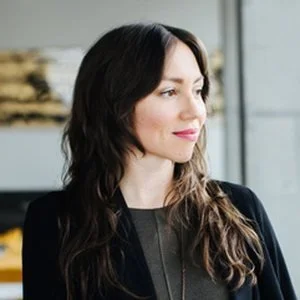
Health economists, trial leaders, and the people who built the field.
12 Voices from the field
The people who opened the door agree on what comes next.
Every state weighing public coverage of psychedelic care is running into the same wall: the fiscal case. Legislators want to know what it costs, what it saves, and whether the outcomes justify the spend. ORCHID is the kind of research infrastructure that can answer those questions with payer-grade evidence from Oregon and Colorado… If we want to move psychedelic care from an out-of-pocket service to a covered behavioral-health pathway, this is the evidence base that gets us there.
This project is meaningful because it looks beyond whether psychedelic care can help and asks whether it can change healthcare utilization, costs, and access. Those are the questions that will determine whether this model reaches the people who need it most.
For state-regulated psychedelic care to become accessible beyond those who can pay out of pocket, we need evidence that payers, policymakers, and public programs can trust. ORCHID is the kind of research infrastructure that can help translate real-world psychedelic care into coverage, policy, and access.
ORCHID could be a turning point for the state-regulated model. By producing payer-grade evidence from Oregon and Colorado, it can help move psychedelic care from an out-of-pocket service toward a more equitable healthcare pathway.
The states have opened the door. ORCHID can determine what happens next.
Access for millions
or access for a few.
Fund
Close the funding gap
Fully implement both studies and produce decision-grade evidence.
Connect
Introductions welcome
Introductions to donors, payers, health plans, or research institutions with complementary interests.
Collaborate
Open to joint work
Let’s discuss joint work to make this project a reality and increase its impact.
ORCHID · UC Berkeley · UCSF · Sheri Eckert Foundation · 2026